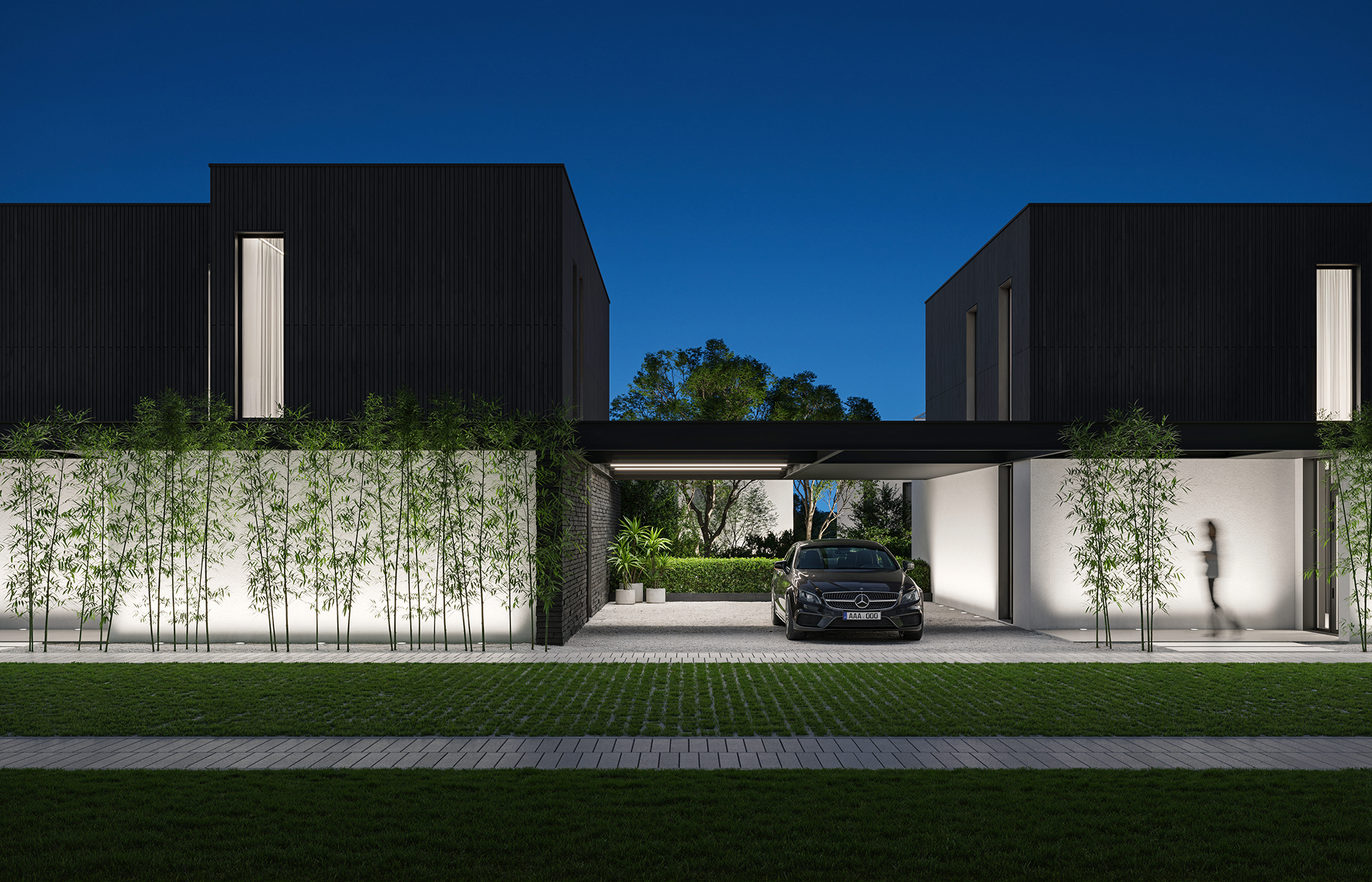
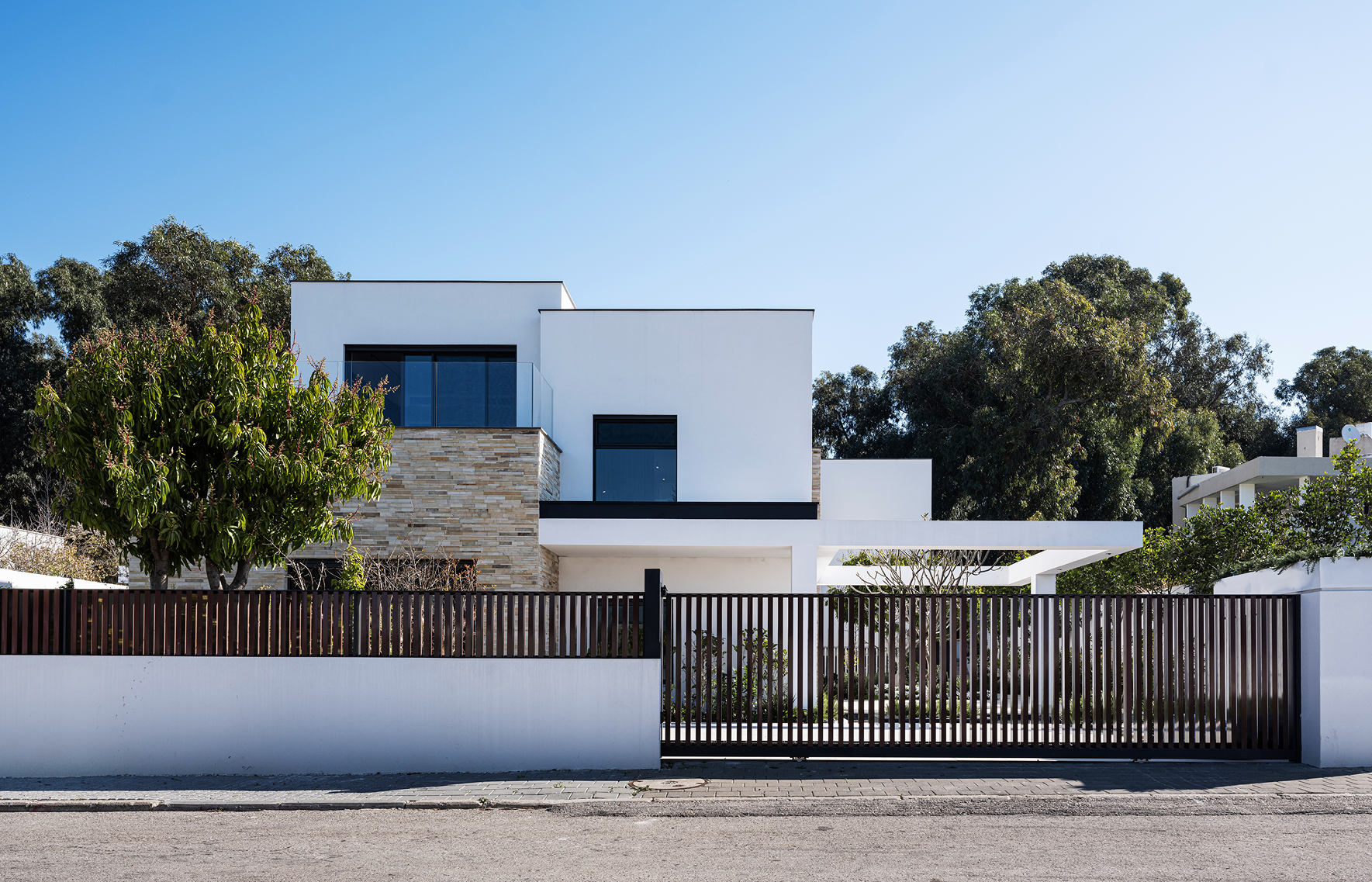
The villa is located on a picturesque hillside in Cyprus, with the architectural form dictated by the features of the terrain, sea views, and existing buildings. The architectural design of the house is characterized by broken, multifaceted forms that create a space with maximum panoramic views while maintaining privacy and shielding from the neighbors' sightlines.
At this stage of the project, special attention is given to the rear facade, which plays a key role in the overall architectural concept. This facade is distinguished by its clean lines, neutral color palette, and the combination of natural local materials. This approach allows the house to seamlessly integrate into the rugged beauty of the mountainous landscape.
The building’s form is based on the combination of the terrain, site orientation, climatic conditions, and the client’s needs. The main starting point was the location — a mountain slope with a panoramic southern view toward the sea and a more enclosed northern side facing the road. The architecture aims to open the living spaces as much as possible toward the sea while concealing the technical and auxiliary areas deeper within the structure.
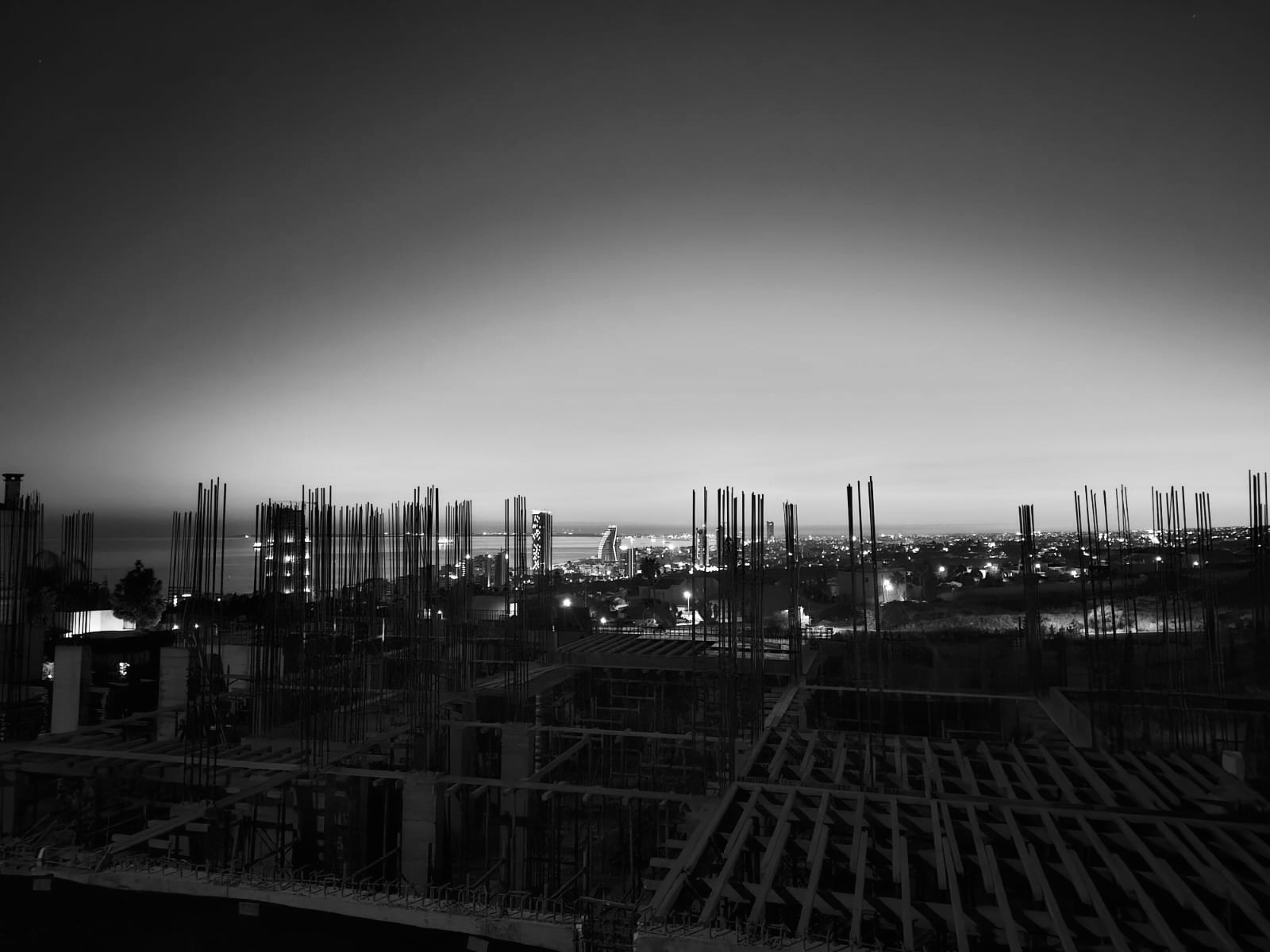
Important factors included the client’s wishes and lifestyle. Among them were the separation of private and public spaces with the option of integration, a private office with a separate entrance, a two-level access system, parking for five cars, and a dedicated area for the collection vehicles. The architectural solution also takes into account protection from wind and excessive sunlight, creates comfortable zones for different seasons, and ensures privacy from neighbors and the road.
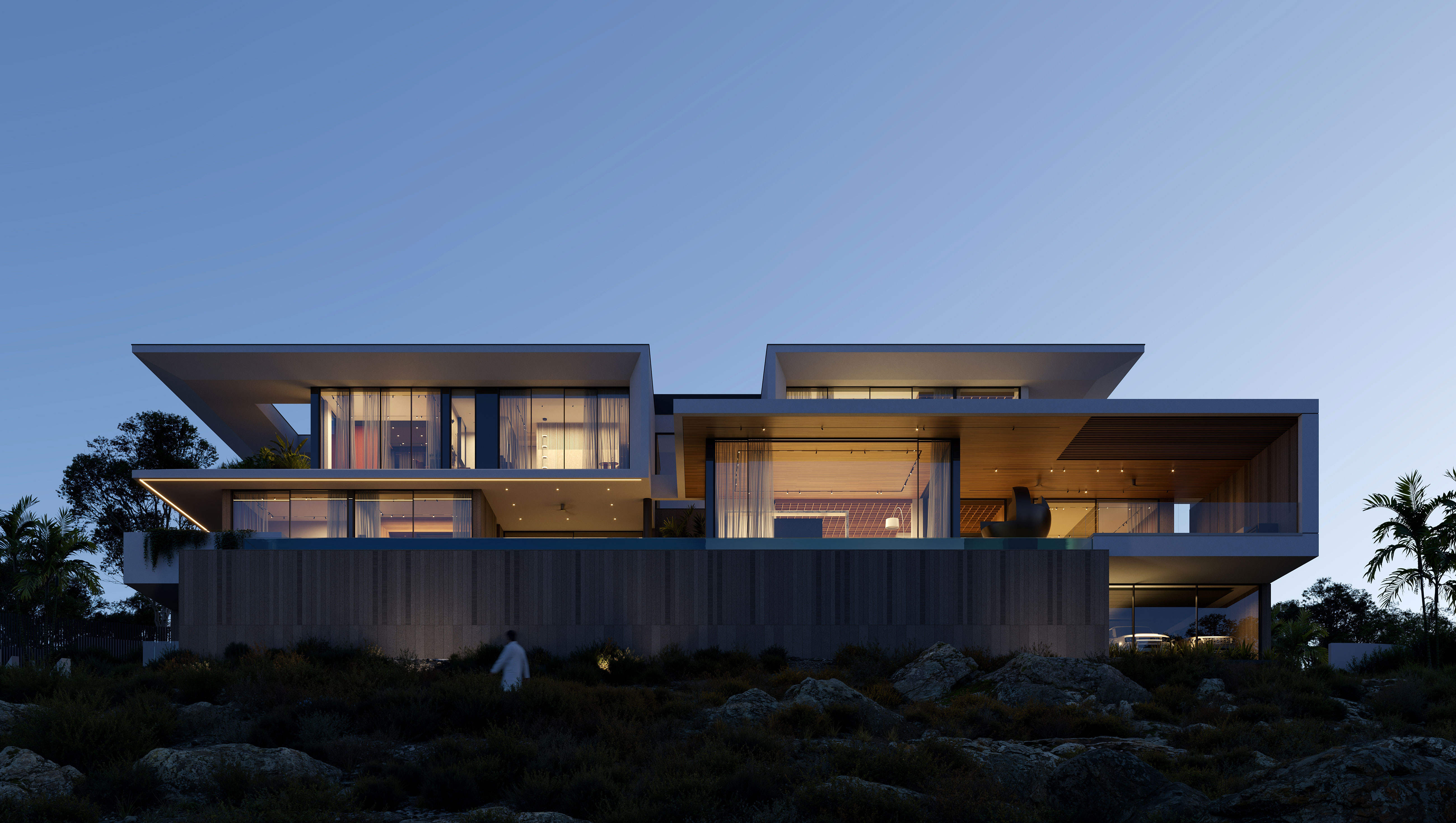
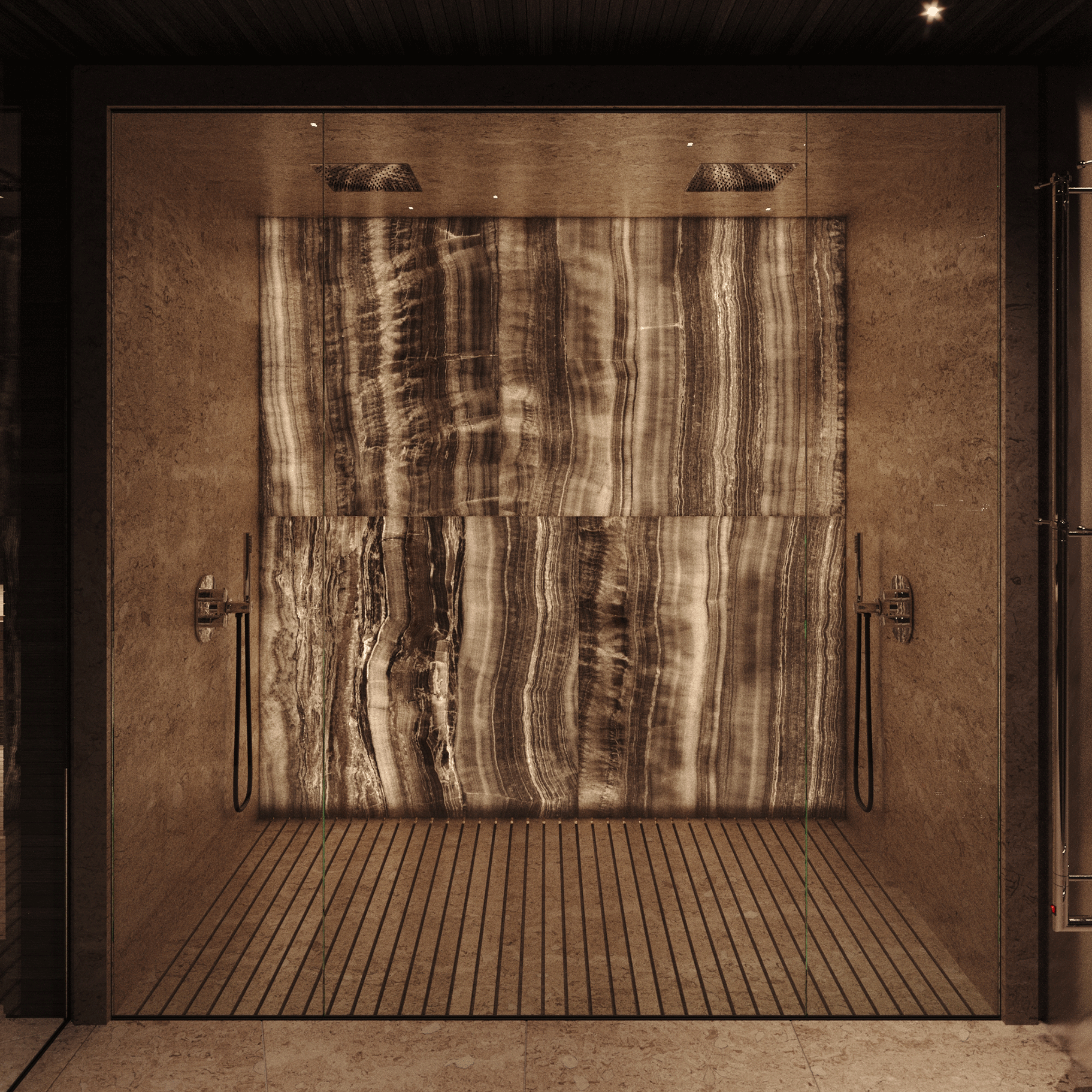
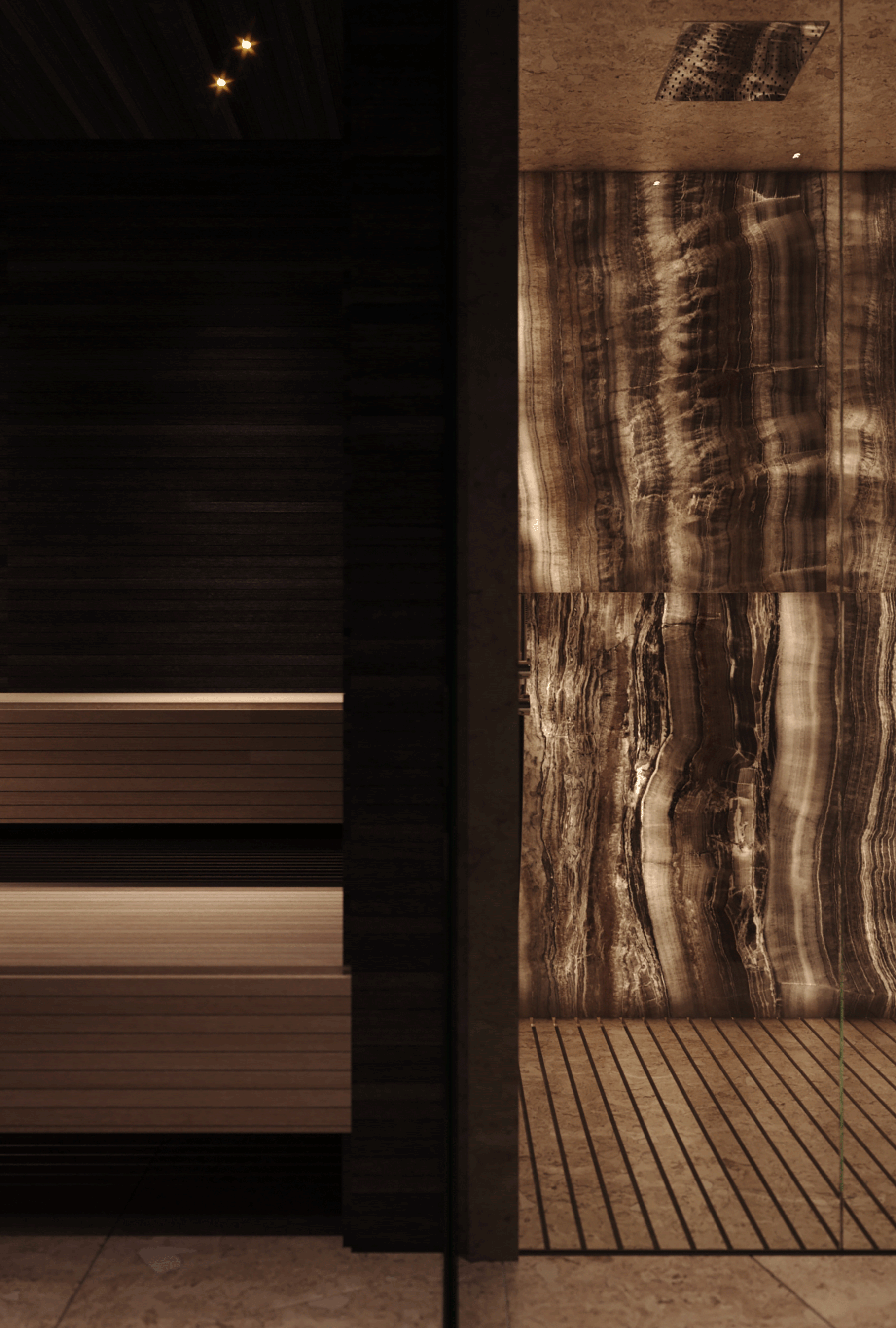
The architecture of the house is grounded in the use of local materials. The façades feature locally sourced stone that resonates with the natural mountain surroundings and is also used in the interior spaces to create a monolithic, sculptural appearance. The upper floor is finished in white plaster, reflecting traditional local architecture, while wood is incorporated to soften the overall image — in the garage gates, fence elements, and the structures of the inner courtyards. Along the building’s central axis, a large panoramic window is positioned to frame a view of the pool basin and an accent sculpture.
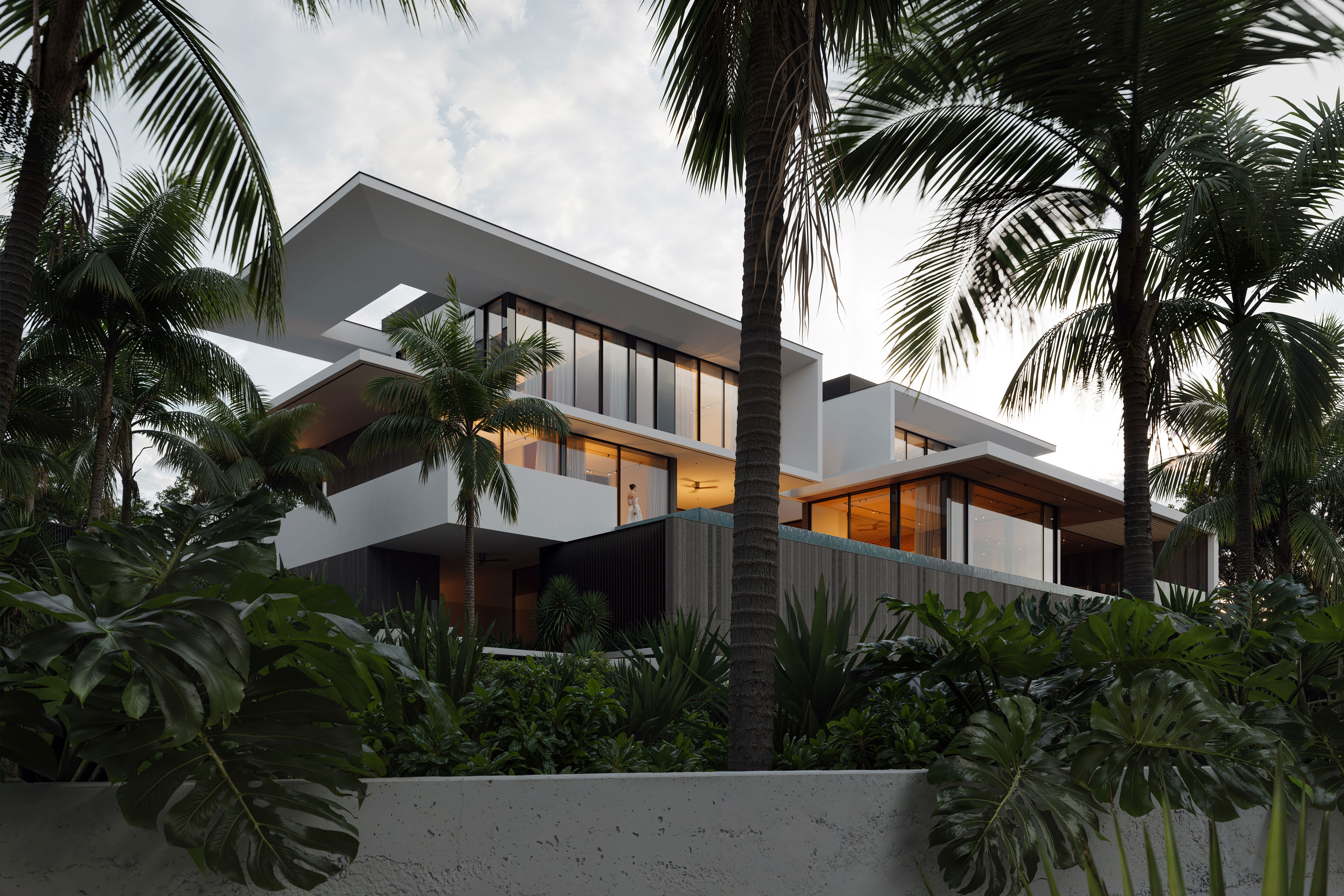


The swimming pool is integrated into the overall composition of the house. Due to the terrain’s elevation difference, its basin appears massive, so a 70 cm-high glass edge was added around the perimeter to correct the proportions while also serving as an overflow. Part of the living room extends into the pool basin, creating the effect of hovering above the water.

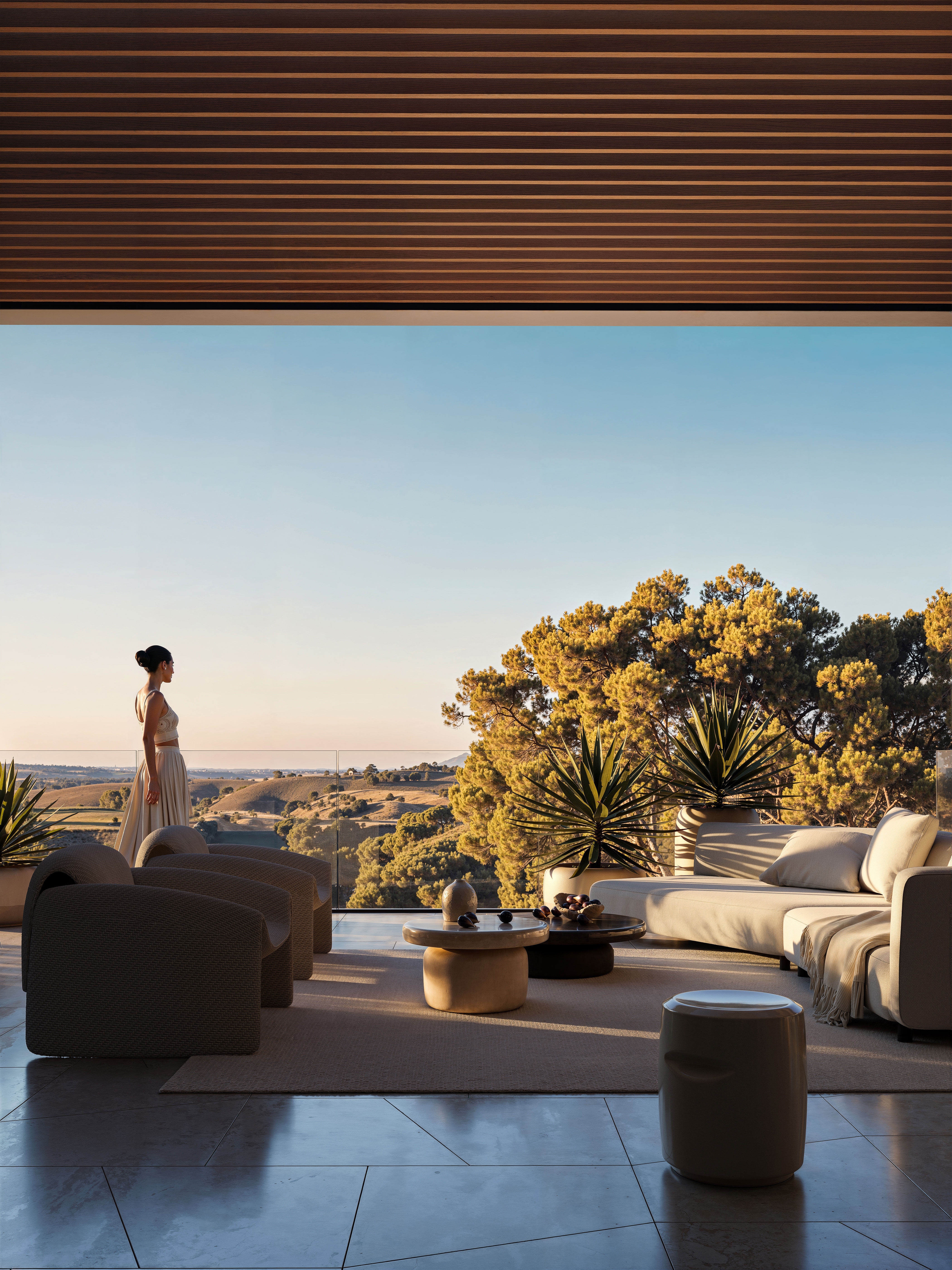
The architecture of the house is grounded in the use of local materials. The façades feature locally sourced stone that resonates with the natural mountain surroundings and is also used in the interior spaces to create a monolithic, sculptural appearance. The upper floor is finished in white plaster, reflecting traditional local architecture, while wood is incorporated to soften the overall image — in the garage gates, fence elements, and the structures of the inner courtyards. Along the building’s central axis, a large panoramic window is positioned to frame a view of the pool basin and an accent sculpture.
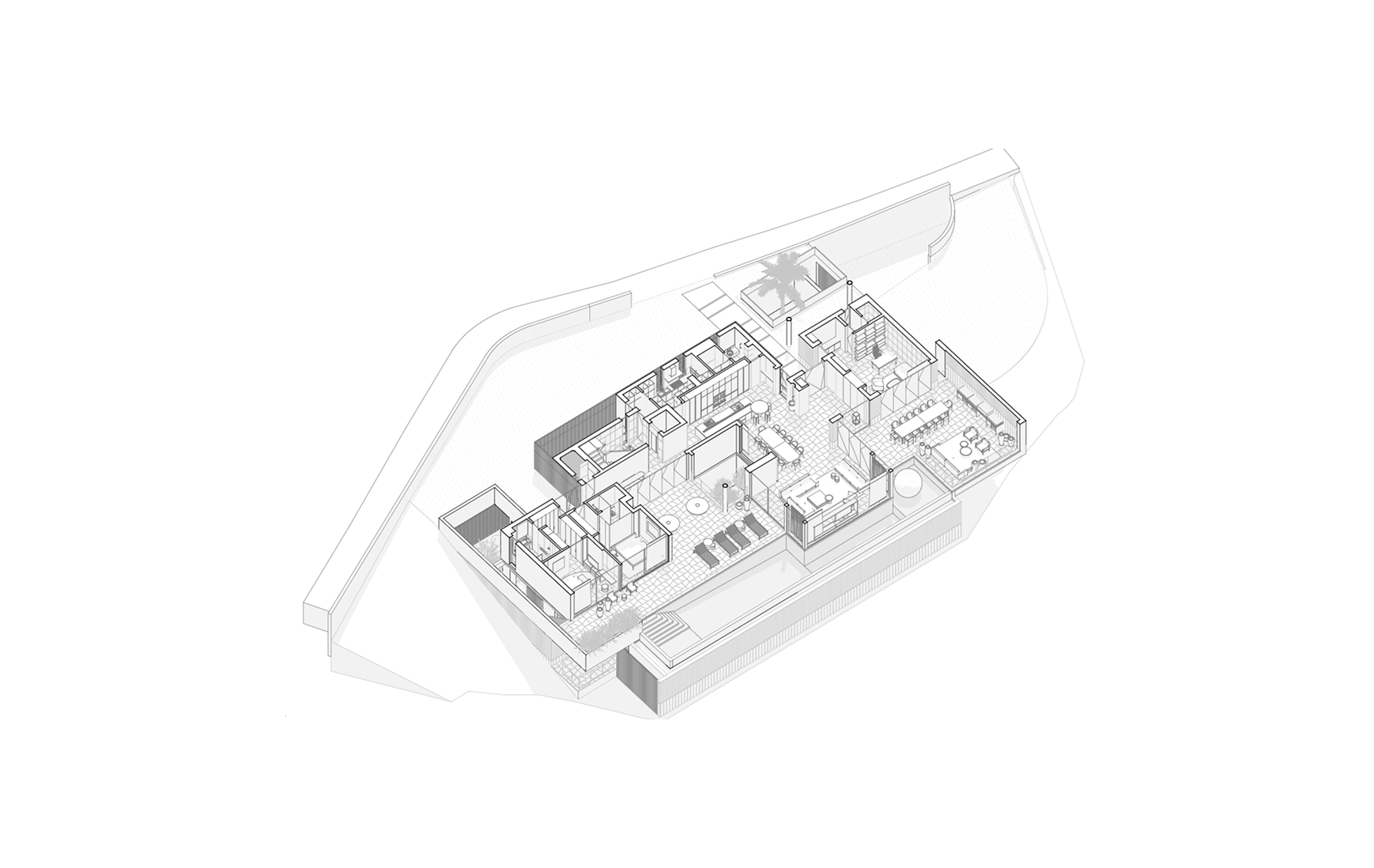
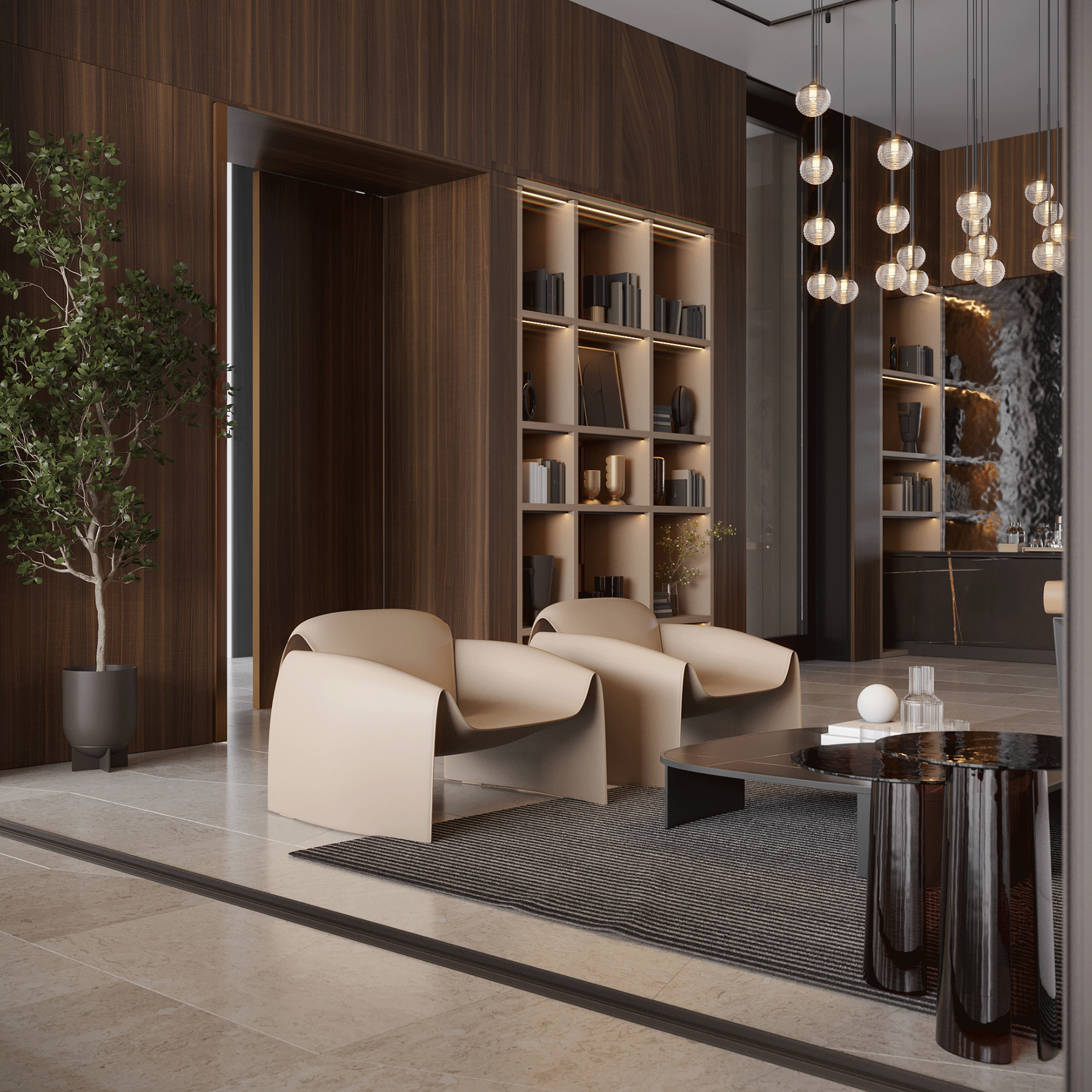
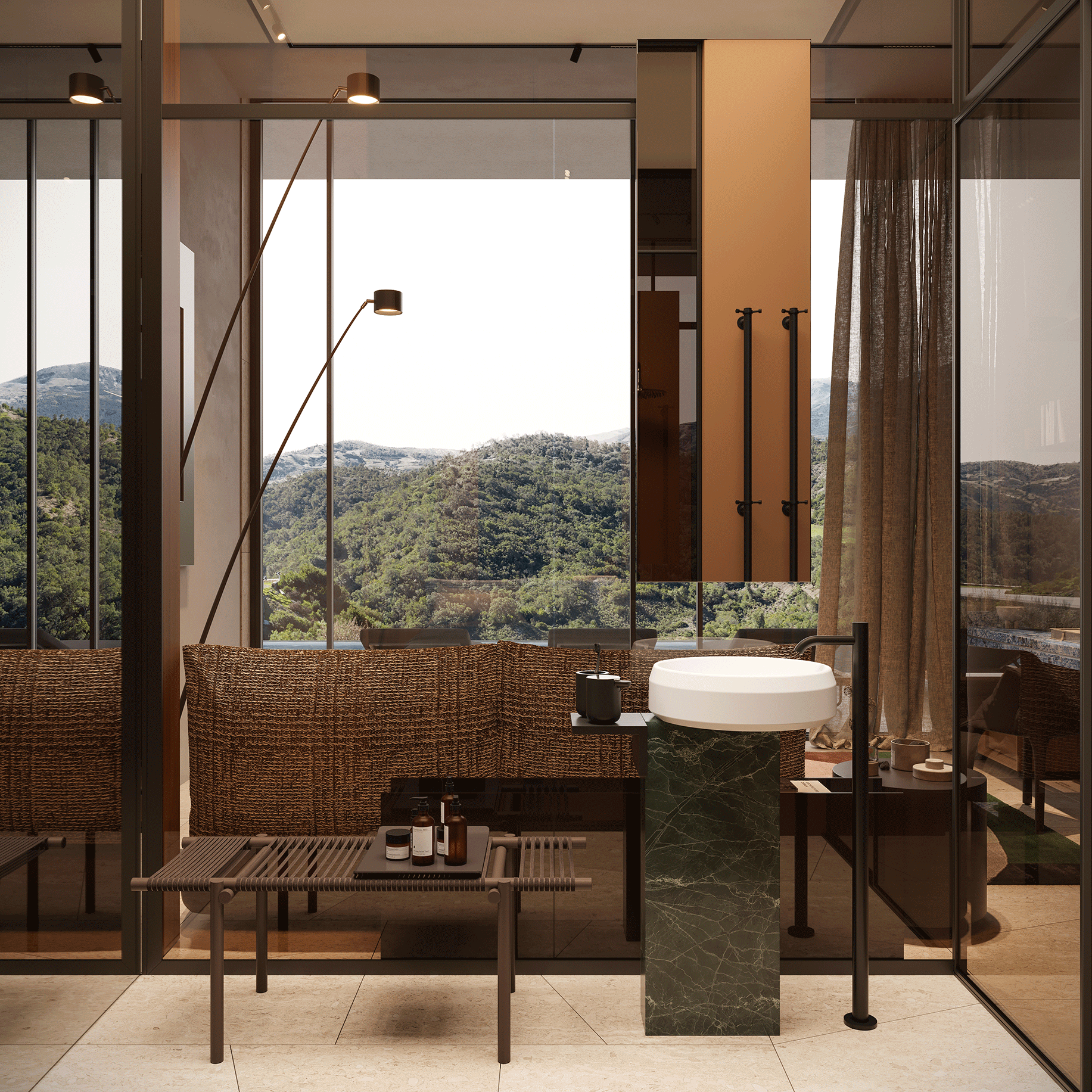
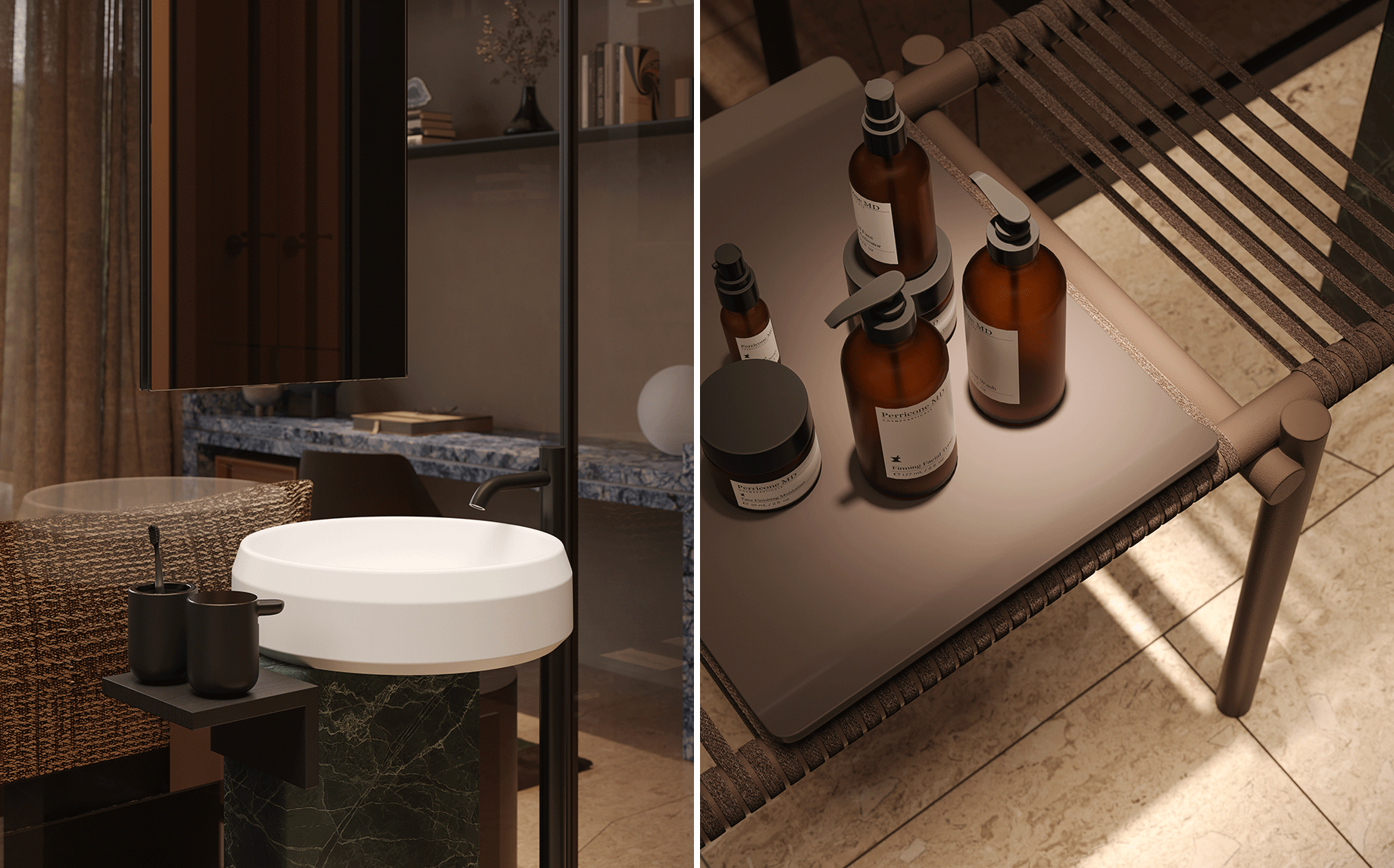
The ground floor combines public and private areas. The office is positioned to have a separate entrance from the street while still being connectable to the living space. The living room, featuring full-height glazing and pivot doors, opens onto the terrace, merging with it into a single continuous space. The panoramic design allows the interior to be filled with air and natural light. Opposite the living area is the main kitchen, fully equipped and supported by a secondary (technical) kitchen for meal preparation. This level also includes two guest bedrooms, each with its own bathroom and walk-in closet. At the entrance, there are two access points — the main entrance and a separate one to the office — with the foyer providing circulation to all key areas. An additional feature is a ritual washbasin located near the kitchen.
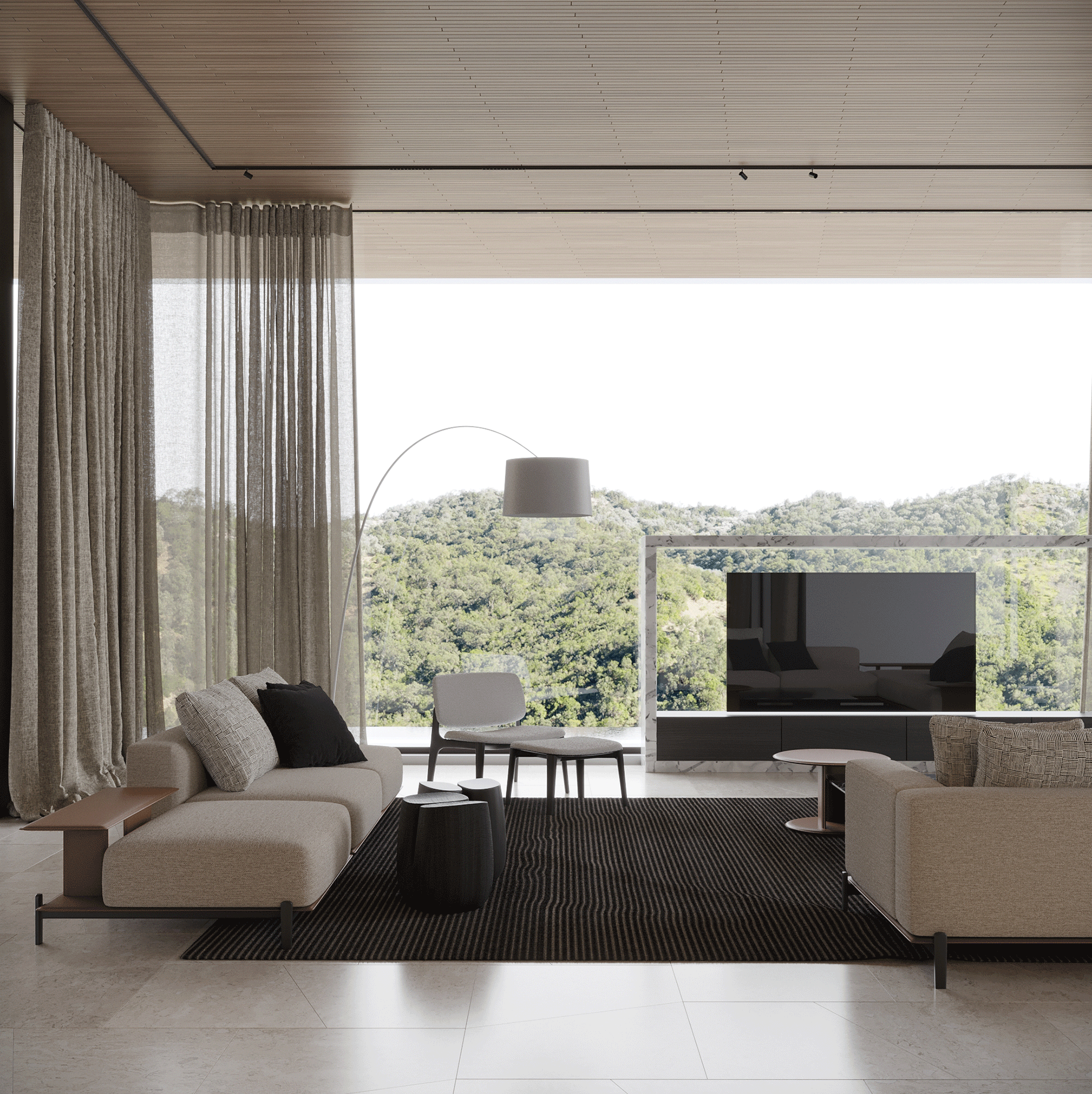
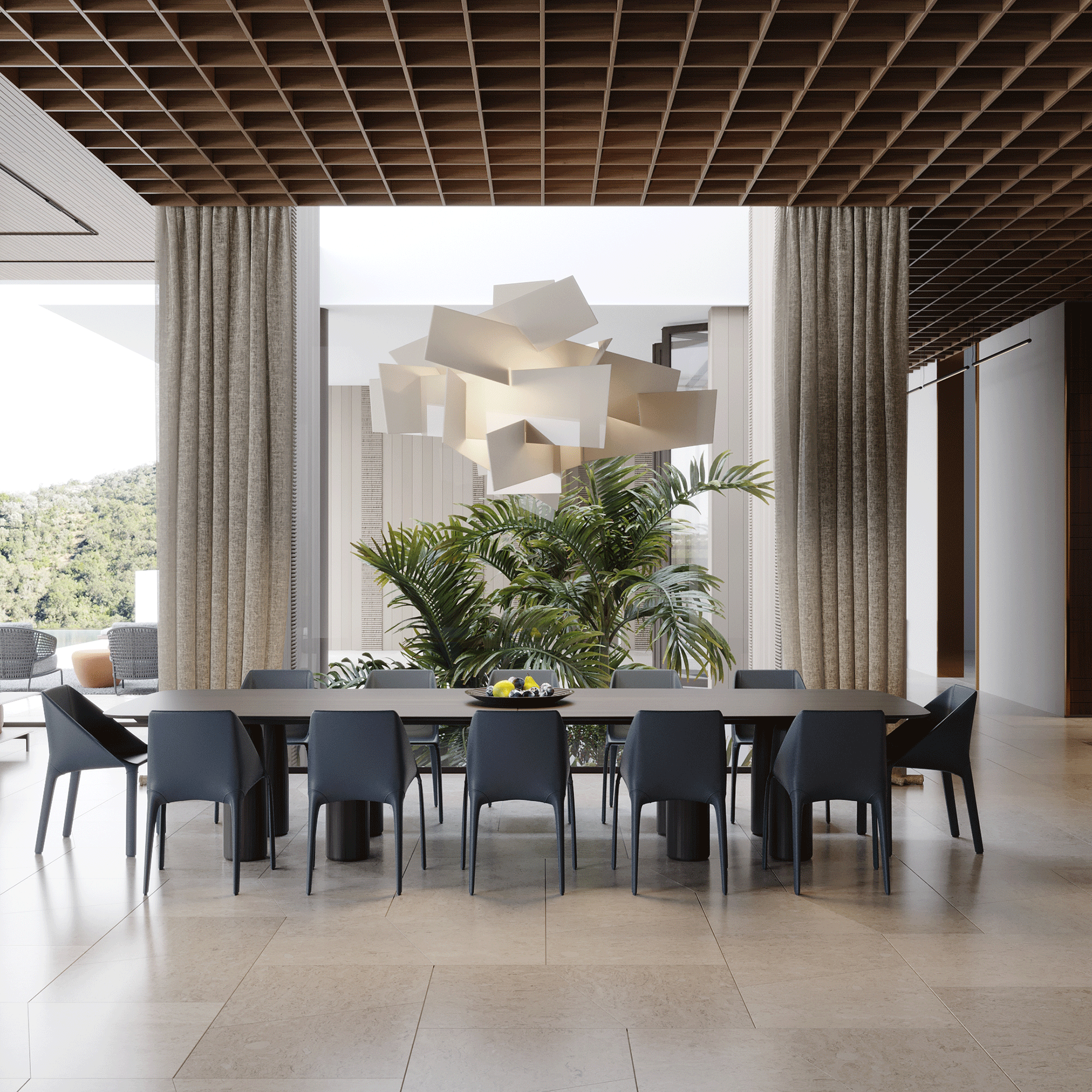

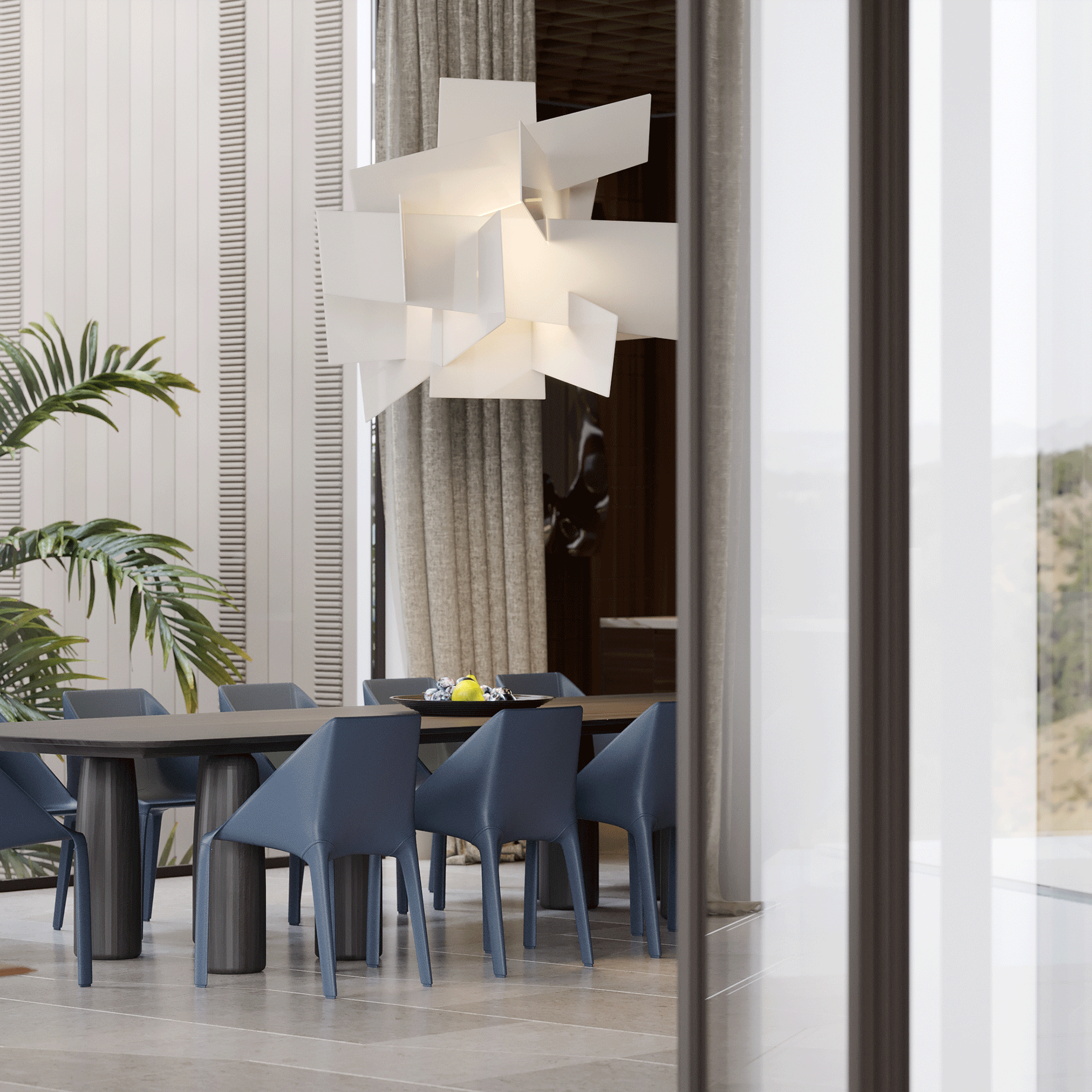


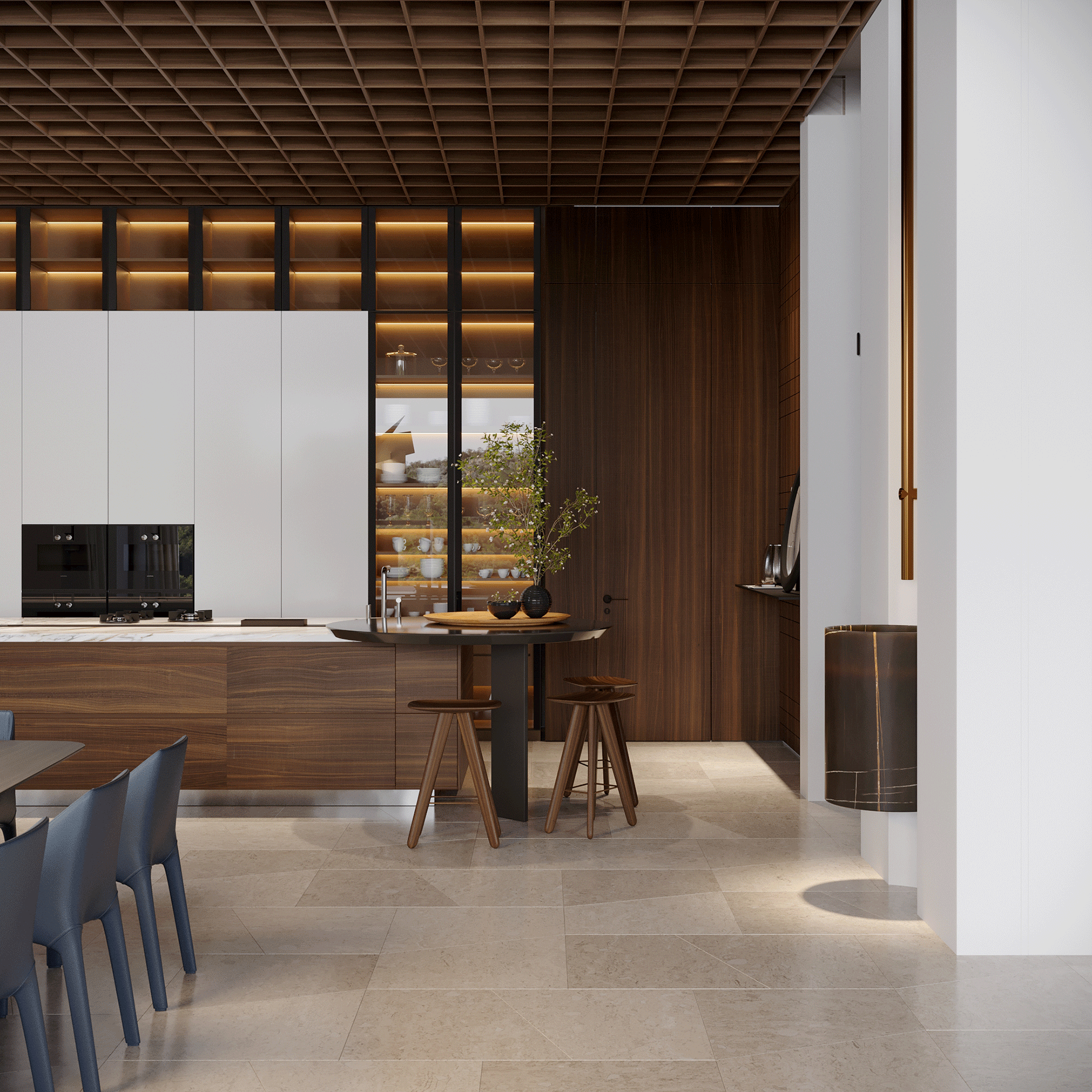


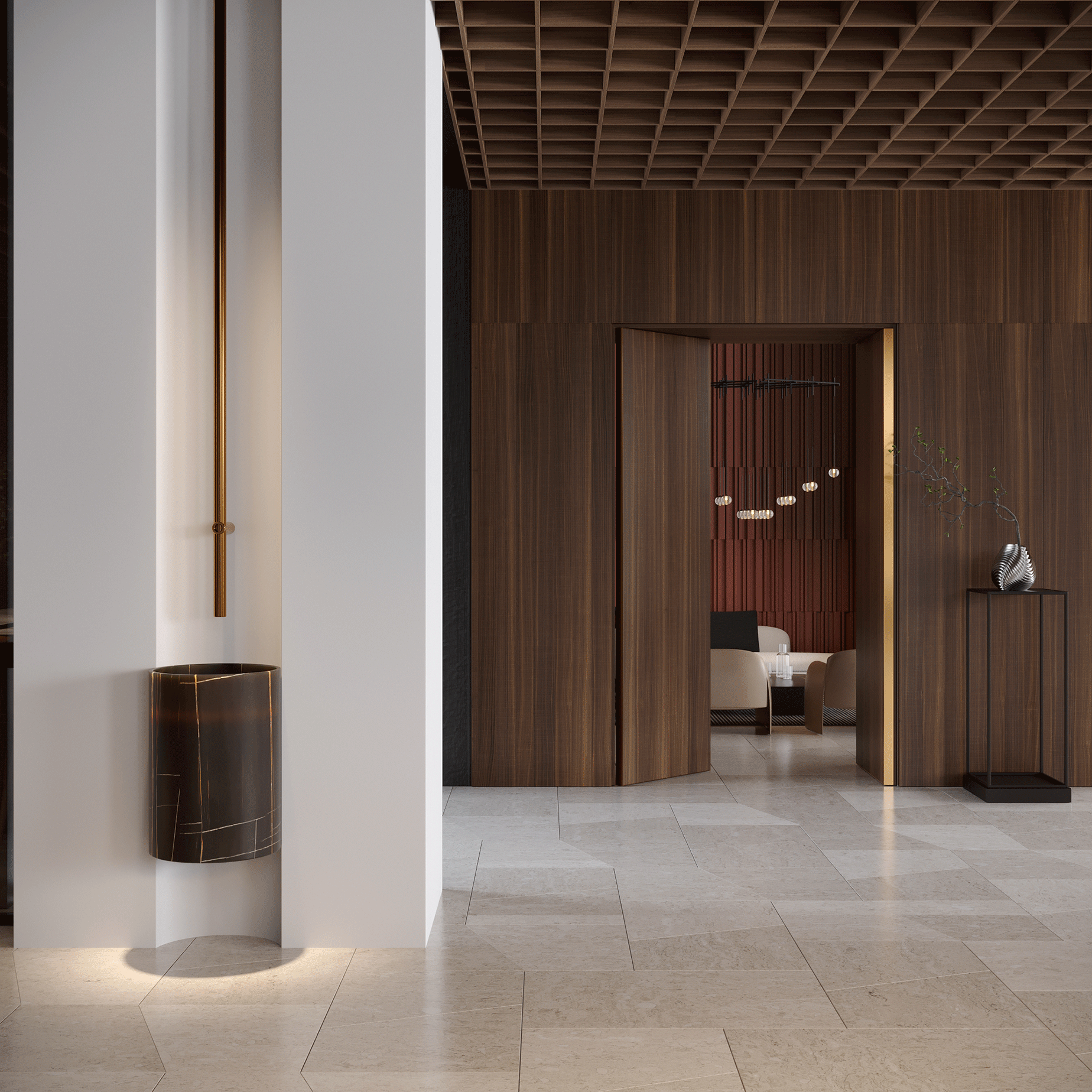




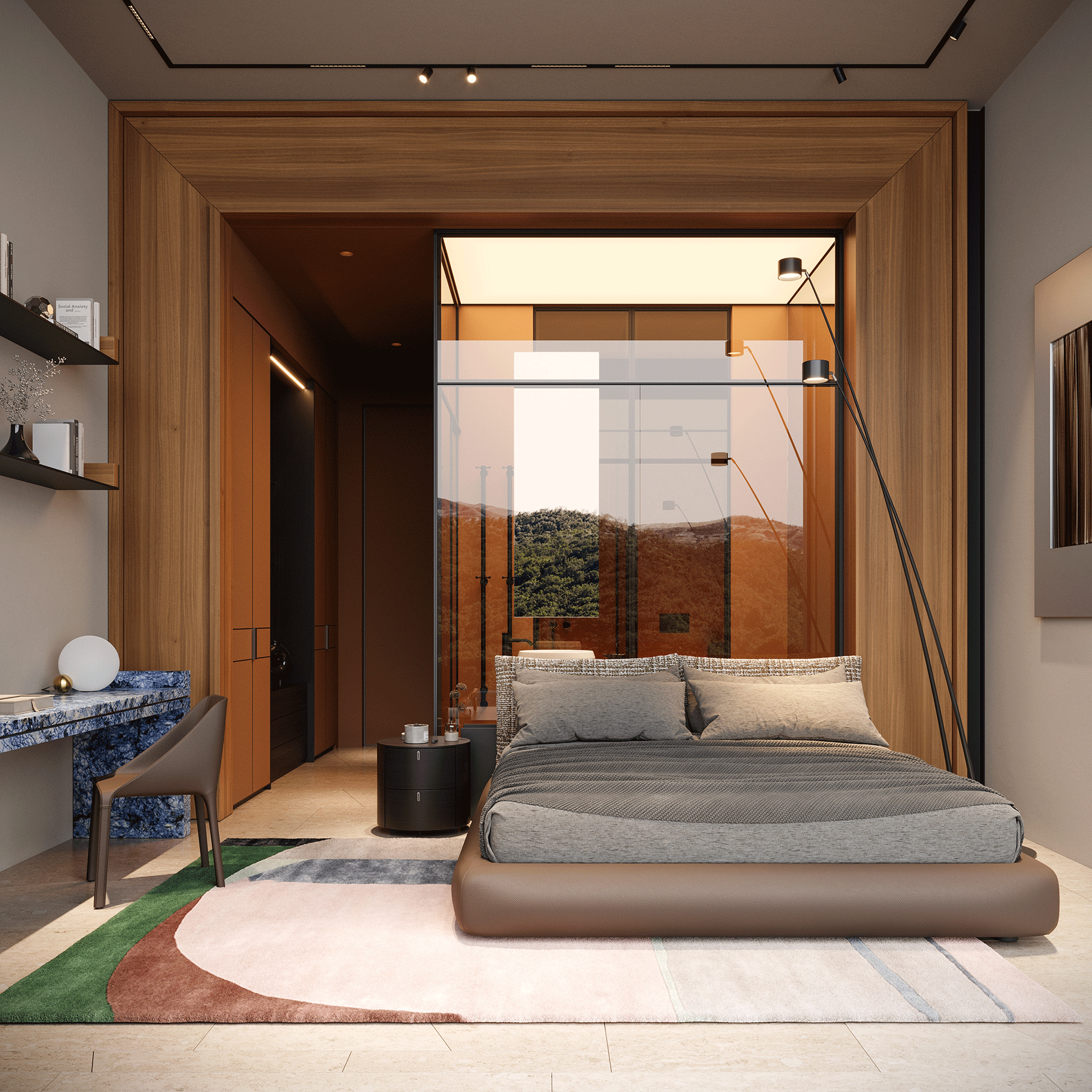
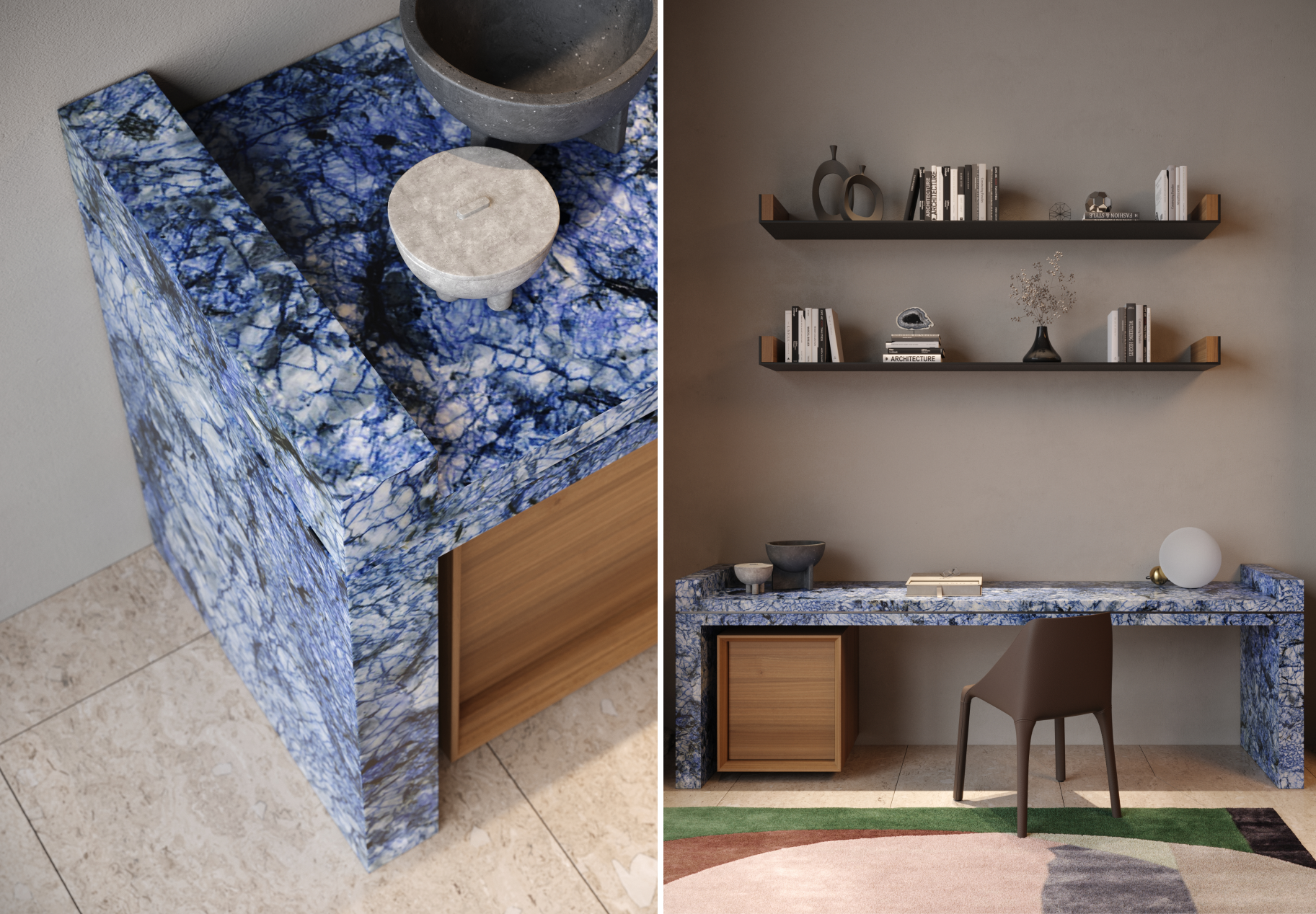
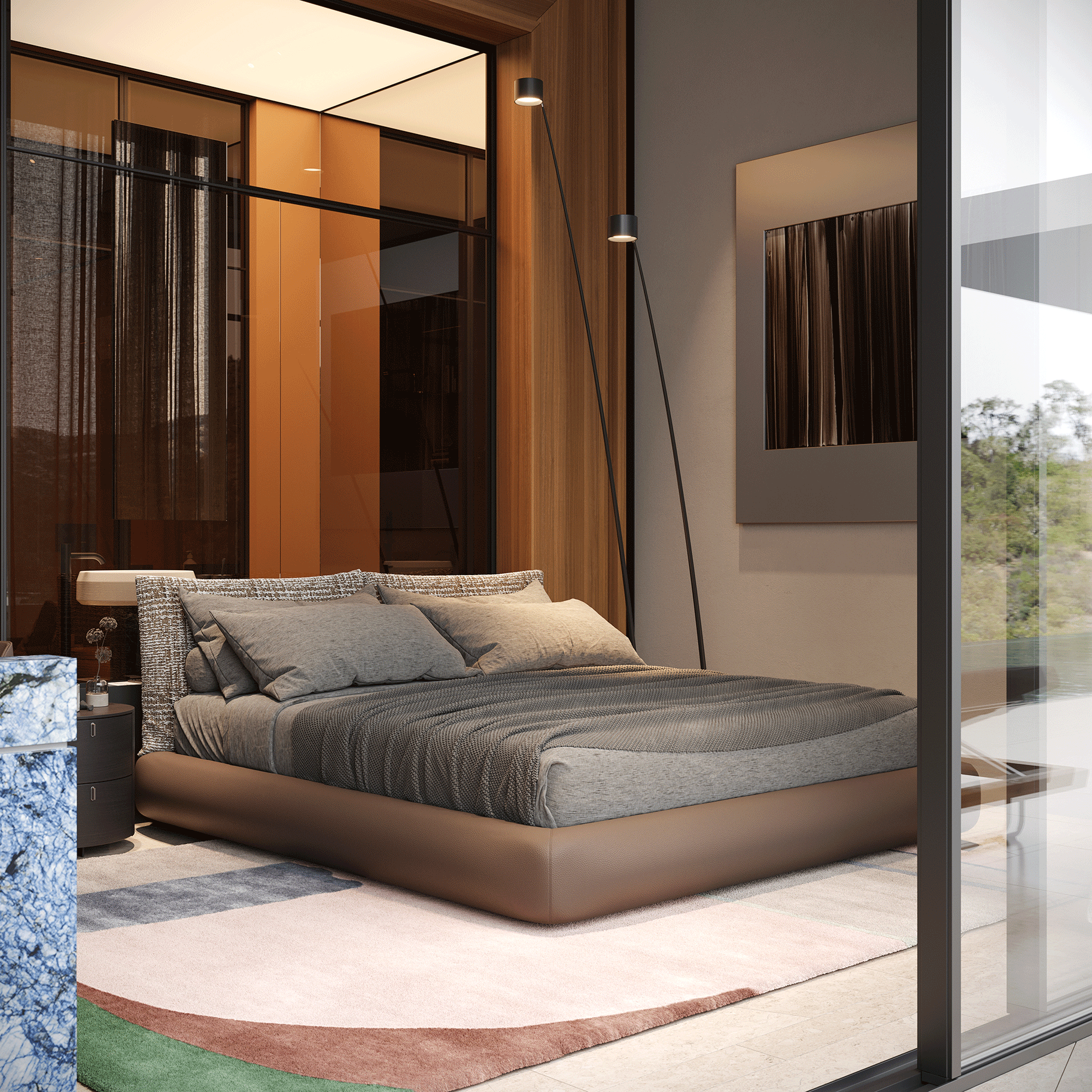
The architecture of the house is grounded in the use of local materials. The façades feature locally sourced stone that resonates with the natural mountain surroundings and is also used in the interior spaces to create a monolithic, sculptural appearance. The upper floor is finished in white plaster, reflecting traditional local architecture, while wood is incorporated to soften the overall image — in the garage gates, fence elements, and the structures of the inner courtyards. Along the building’s central axis, a large panoramic window is positioned to frame a view of the pool basin and an accent sculpture.
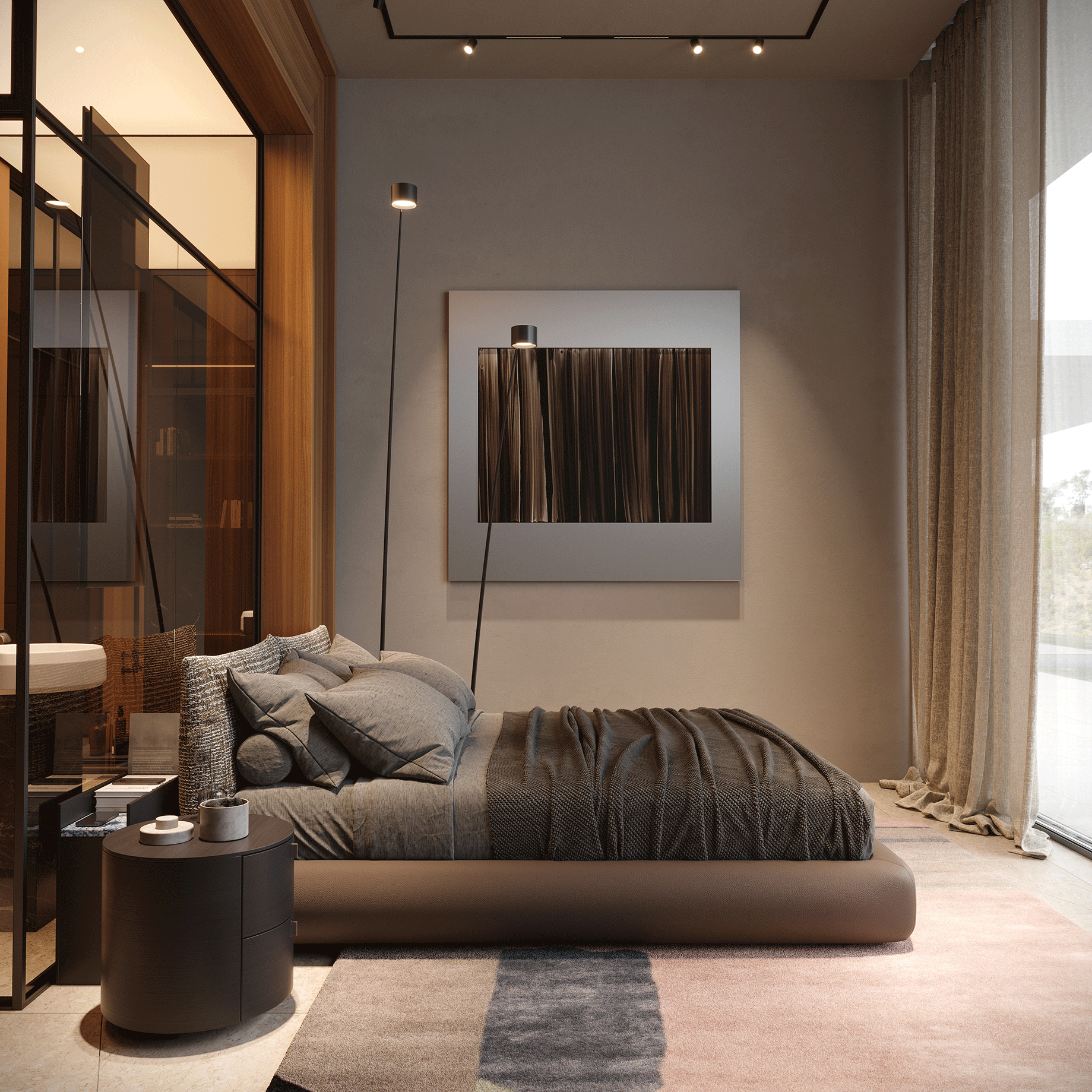
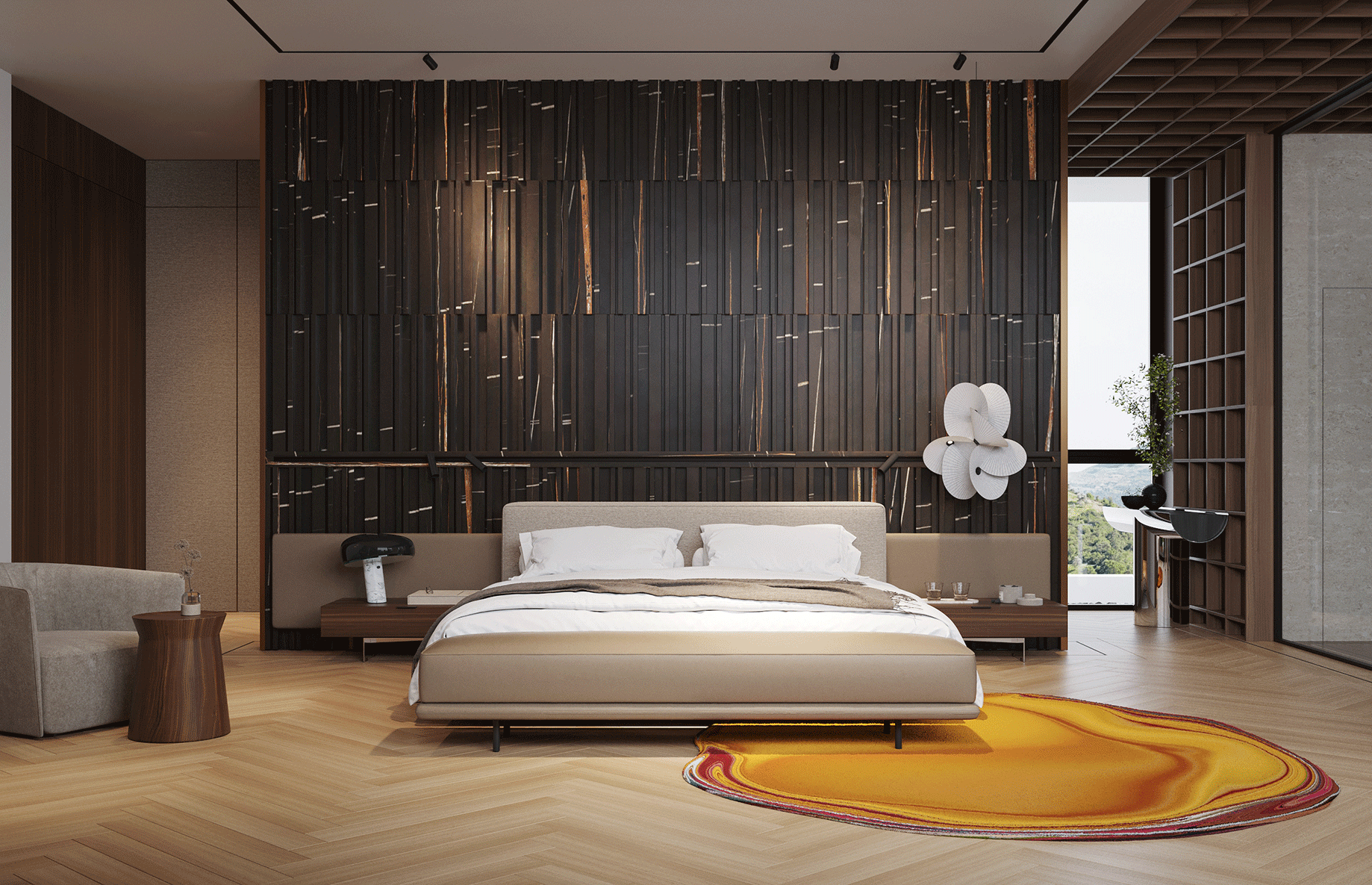
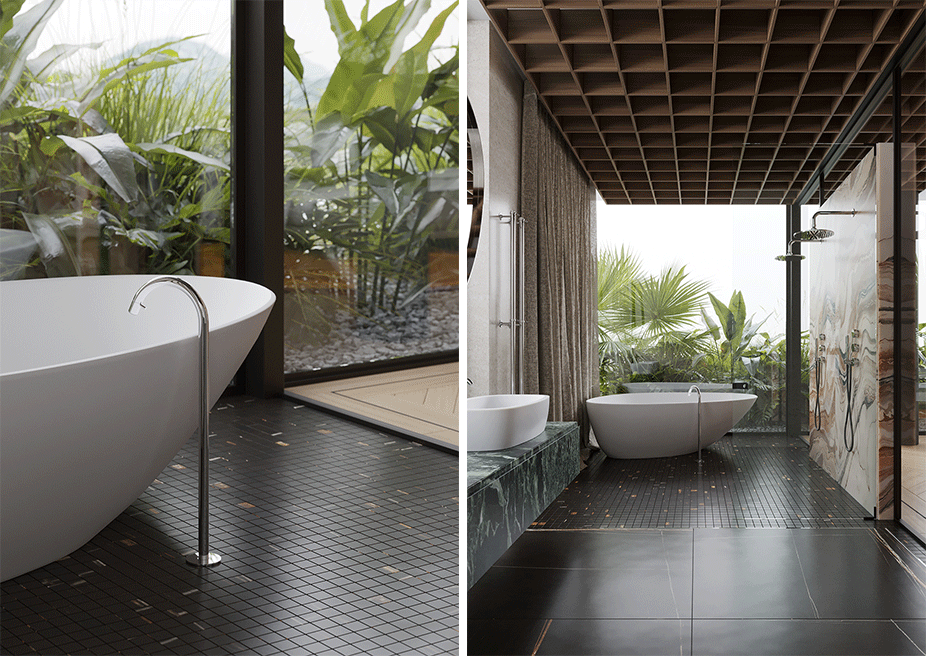
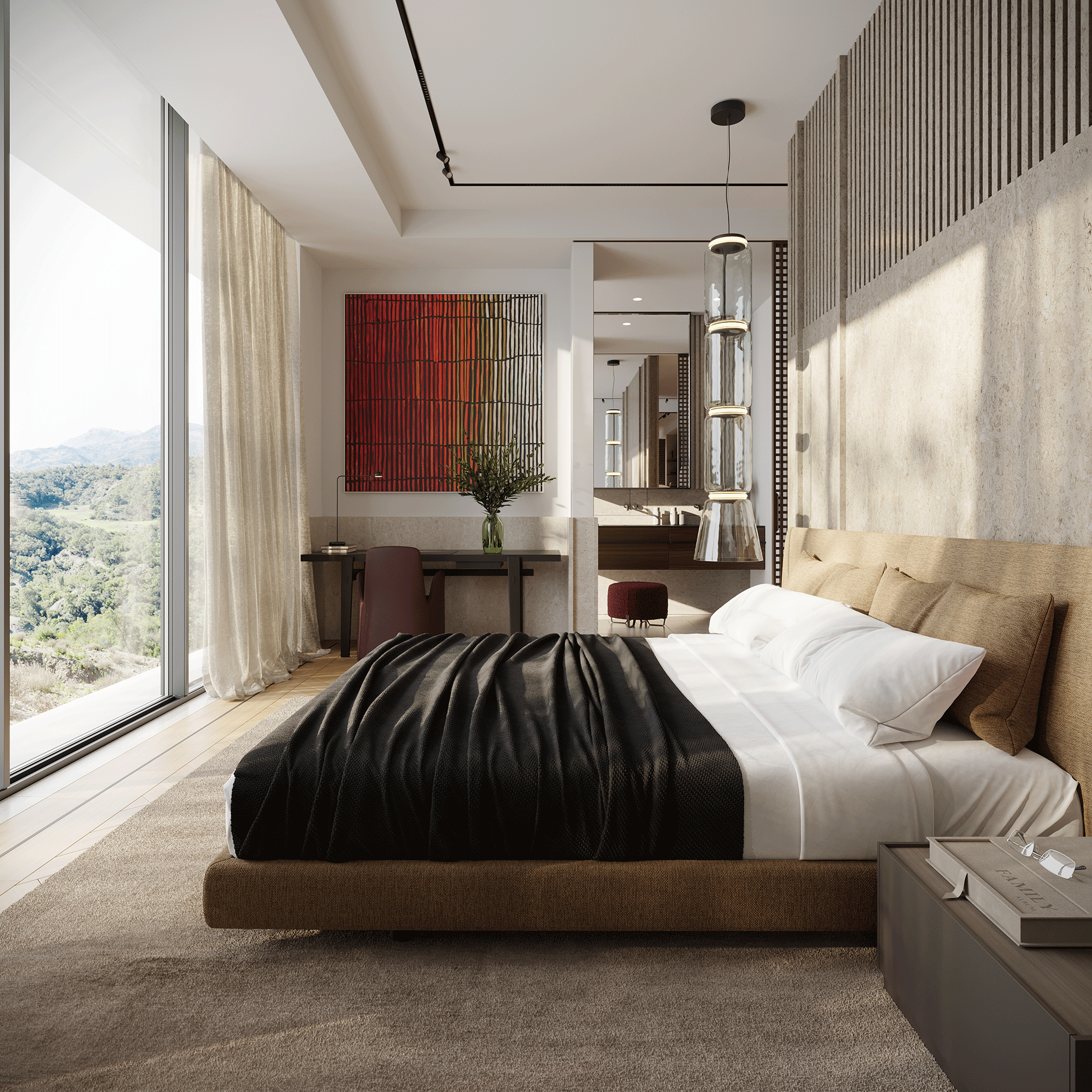
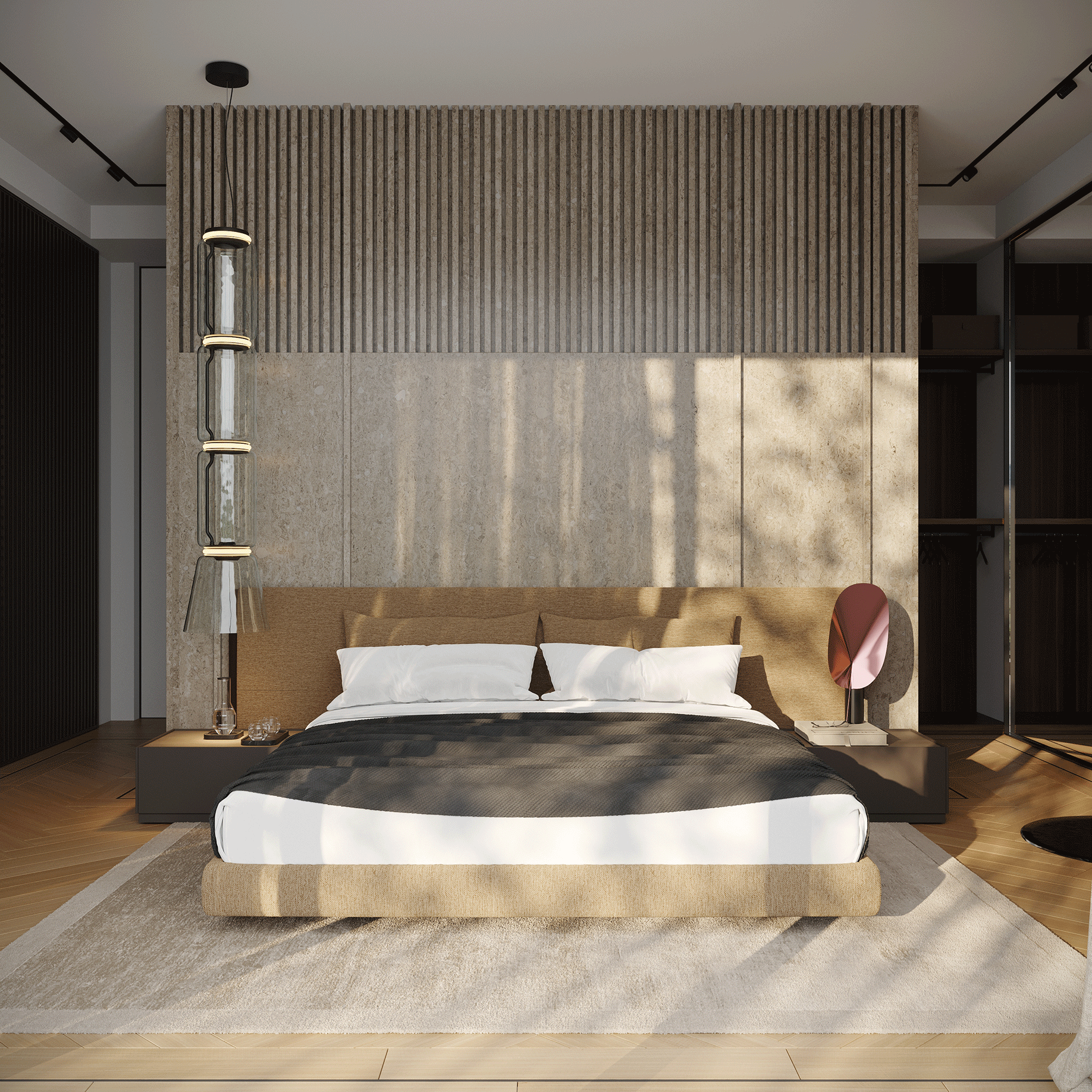
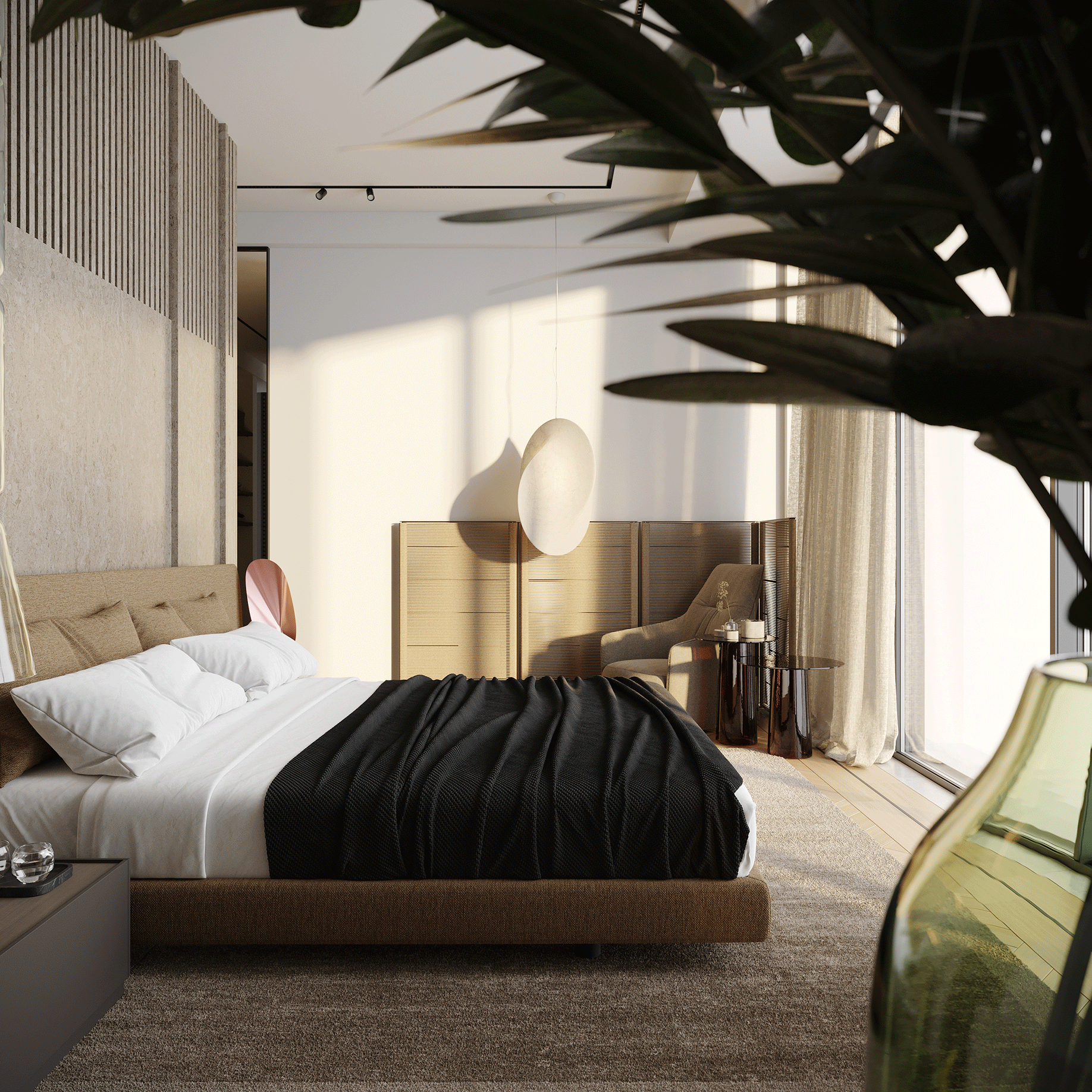
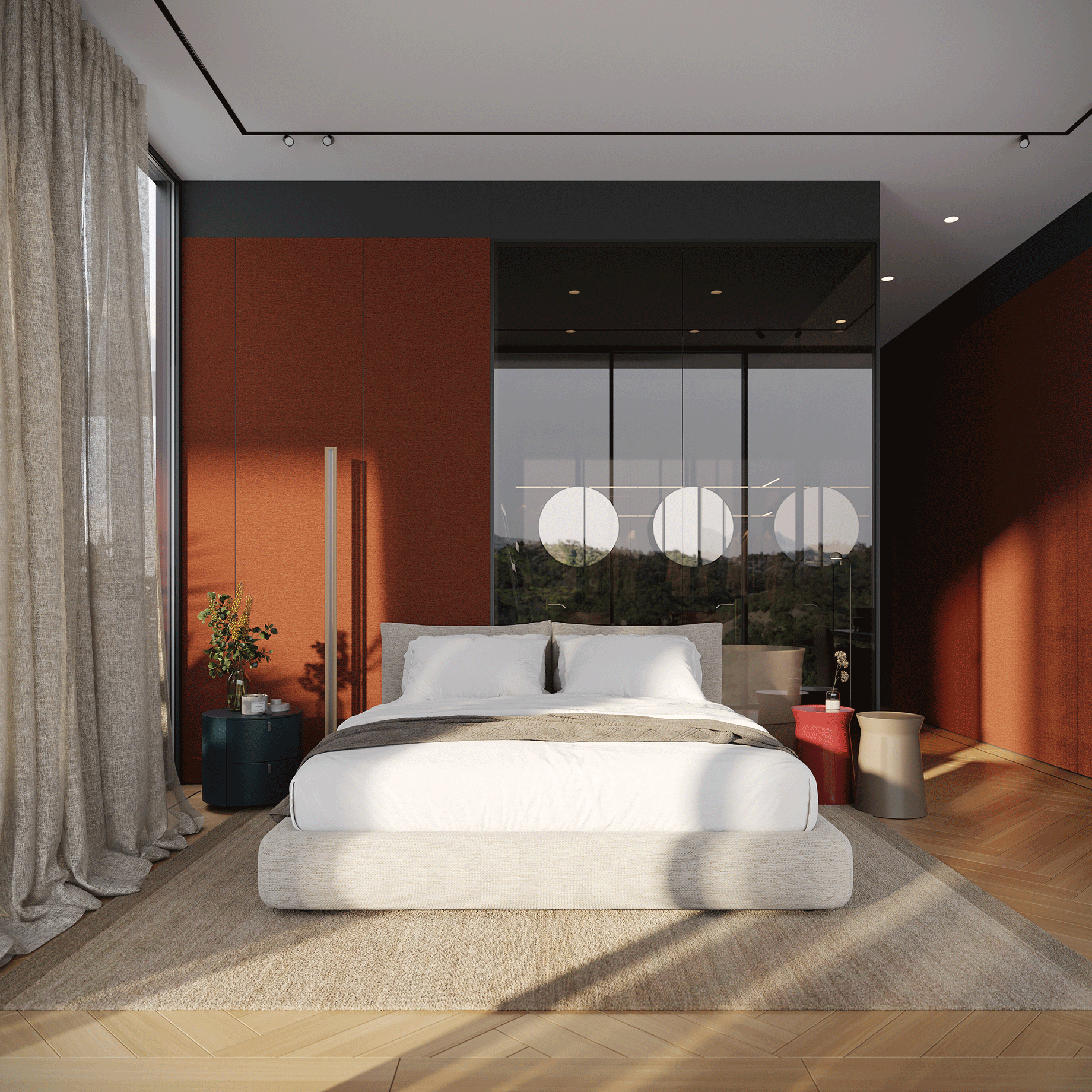
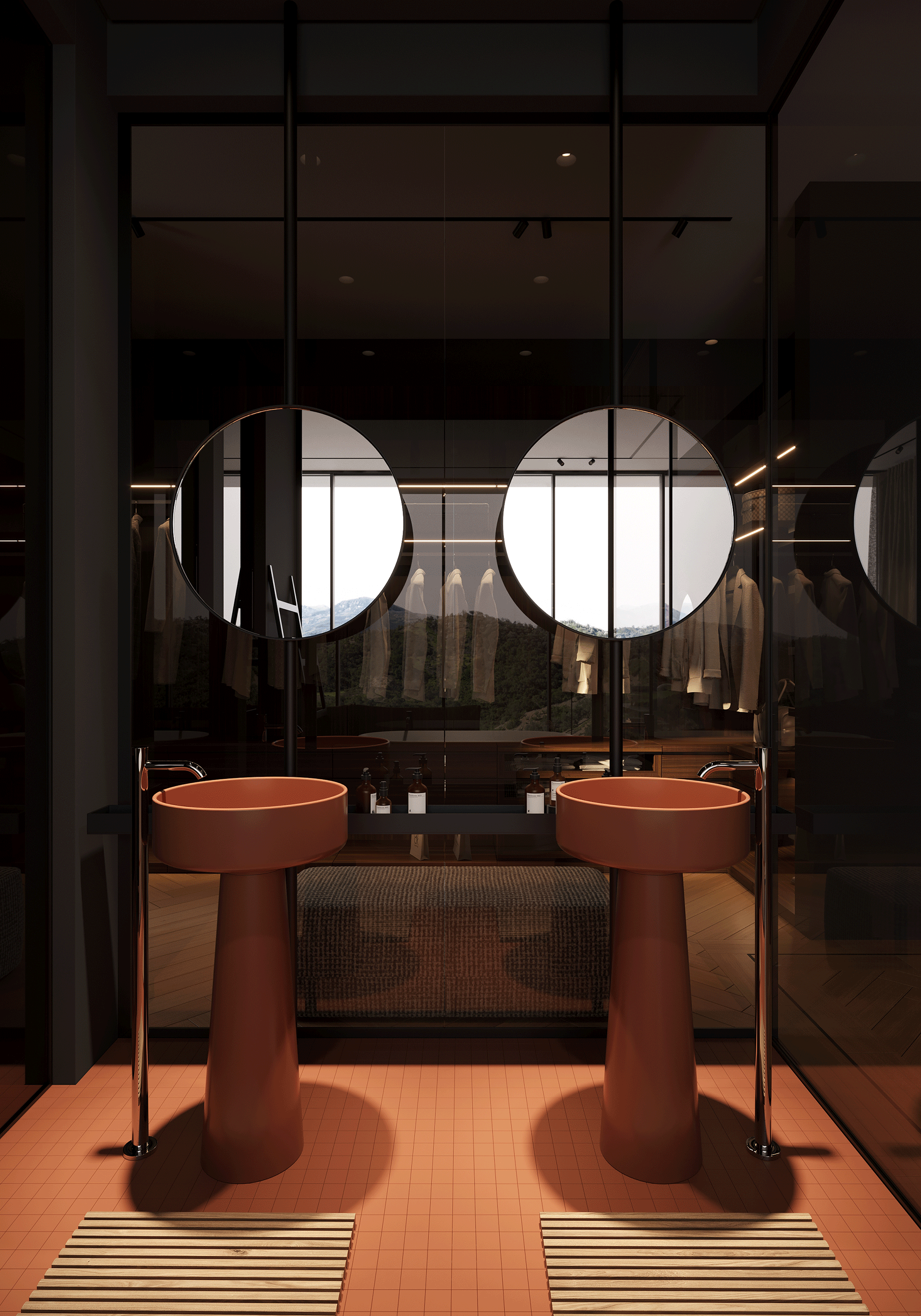
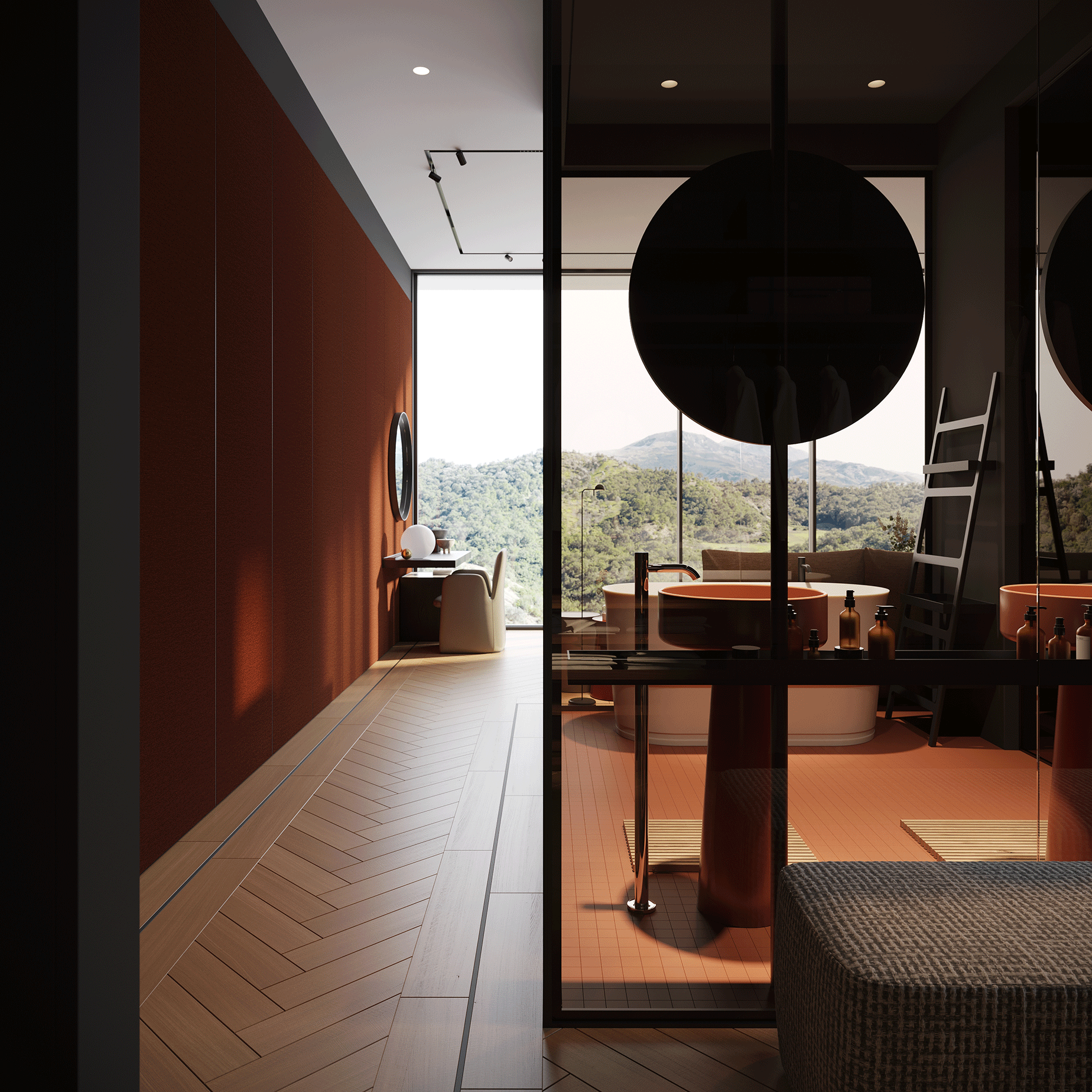
The first floor is divided into two wings. The left wing is the client’s private area, featuring the master bedroom, two walk-in closets, and a spacious bathroom where the toilet area is separated from the bathtub and shower zone. The right wing includes two bedrooms, each with its own walk-in closet and bathroom. The hallway on this level is illuminated by natural light and connects the two wings together.
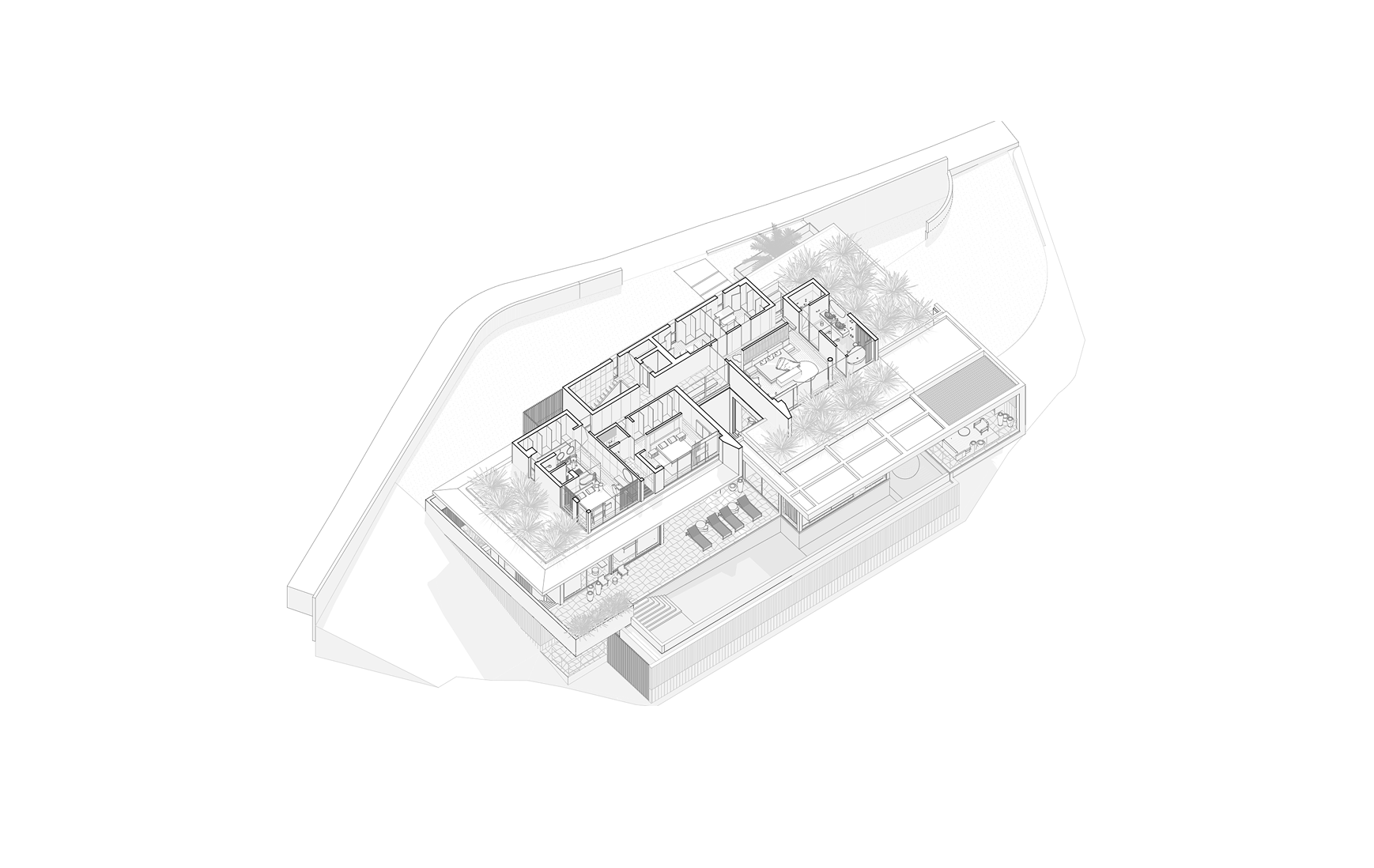










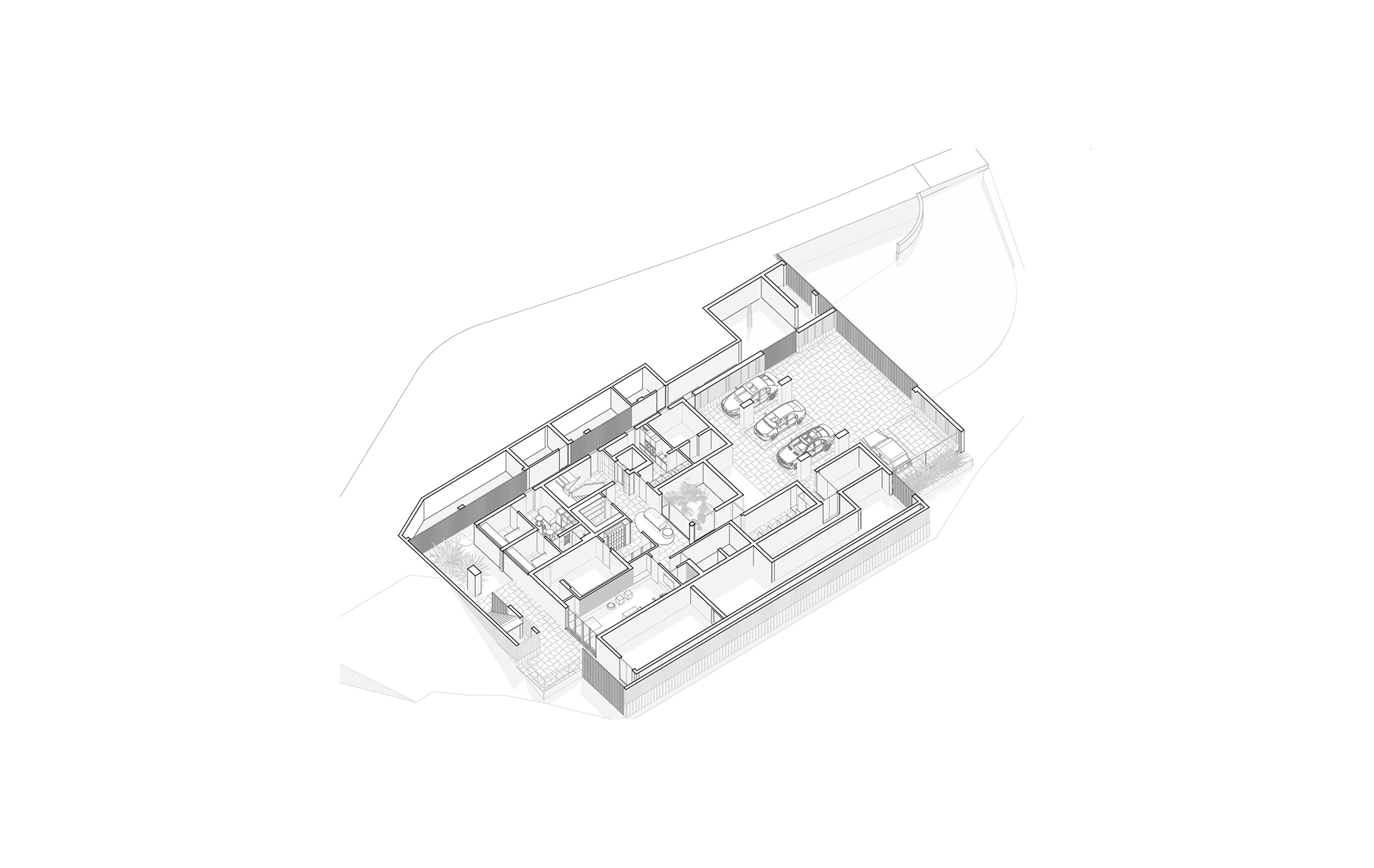
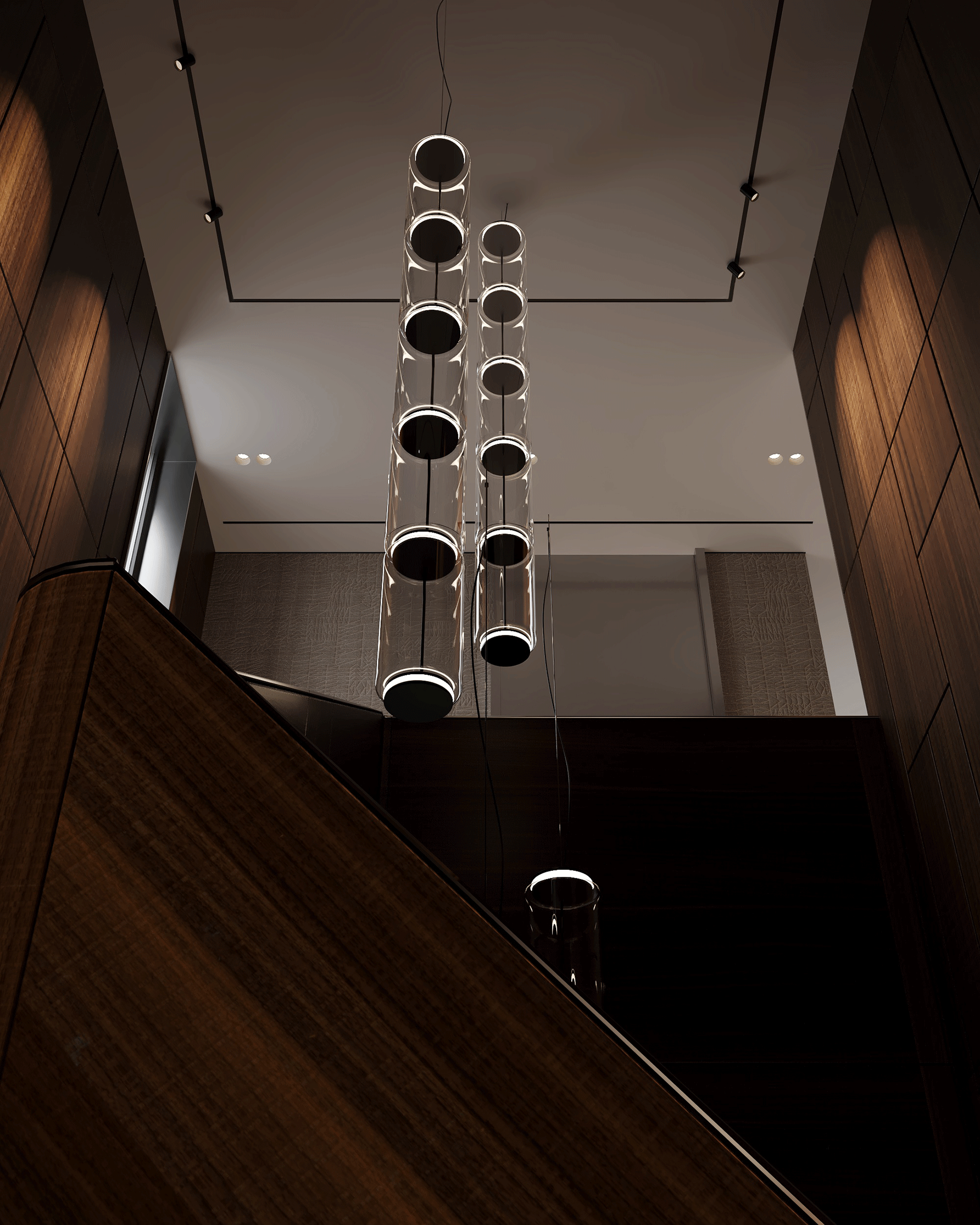
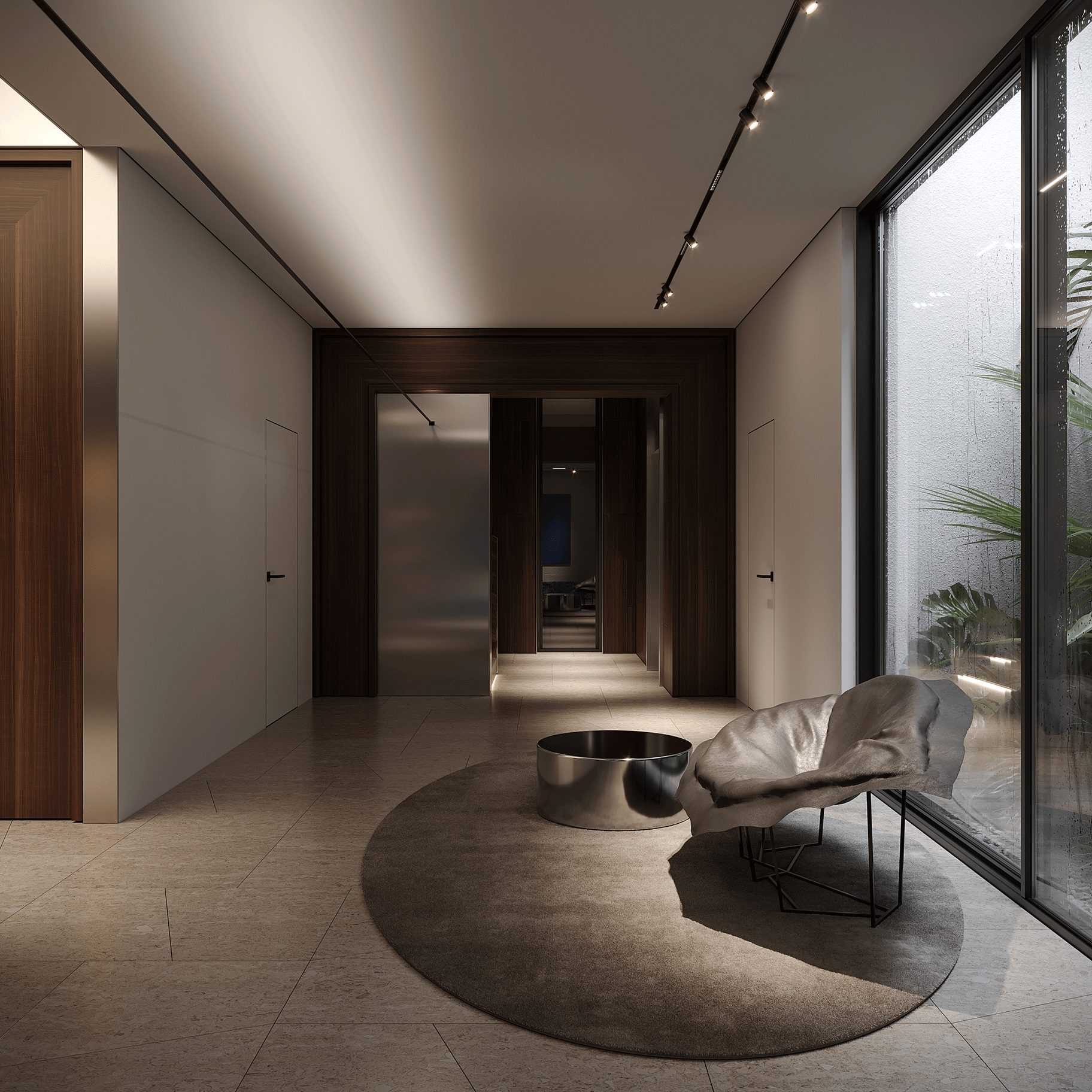
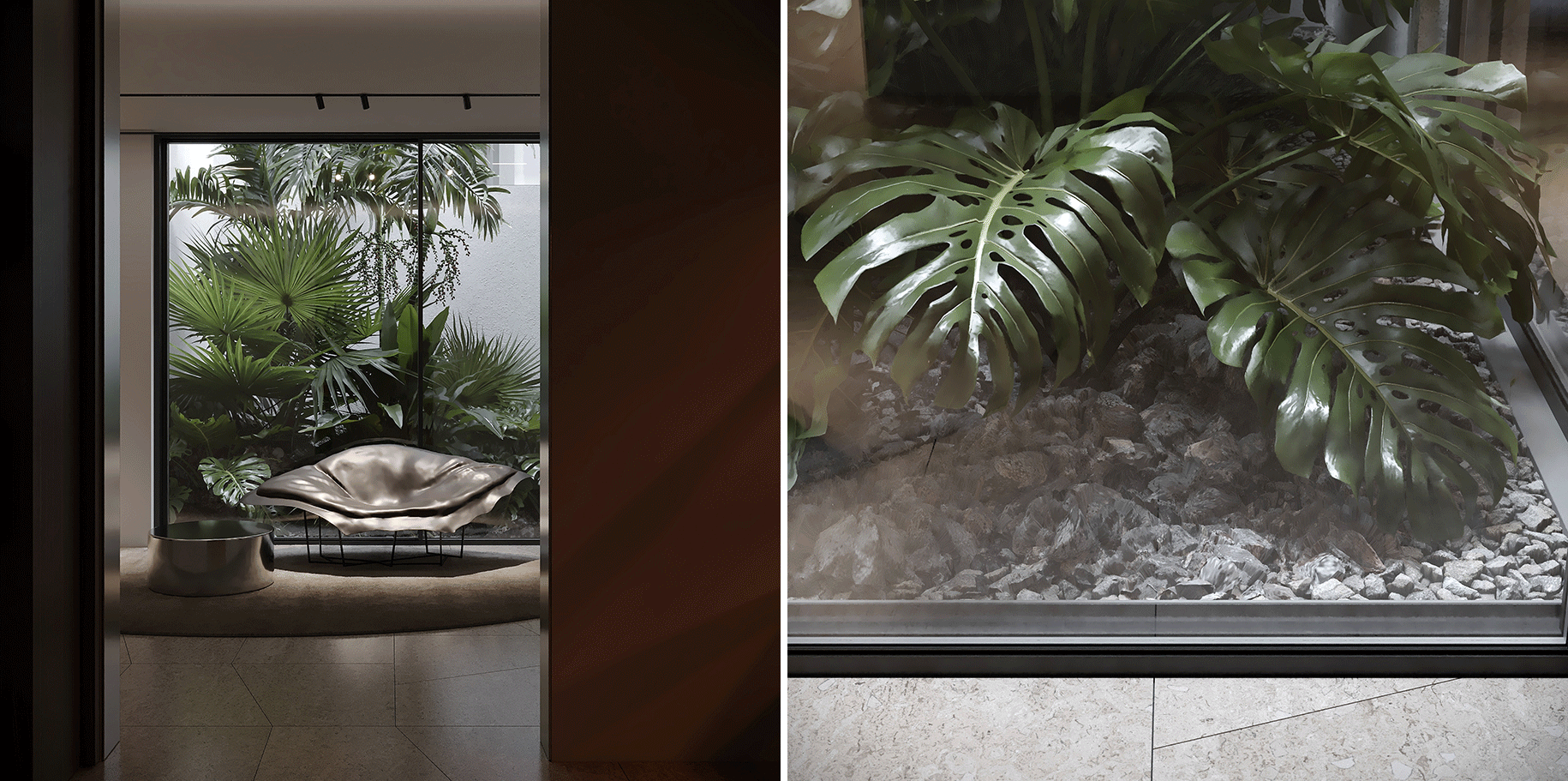
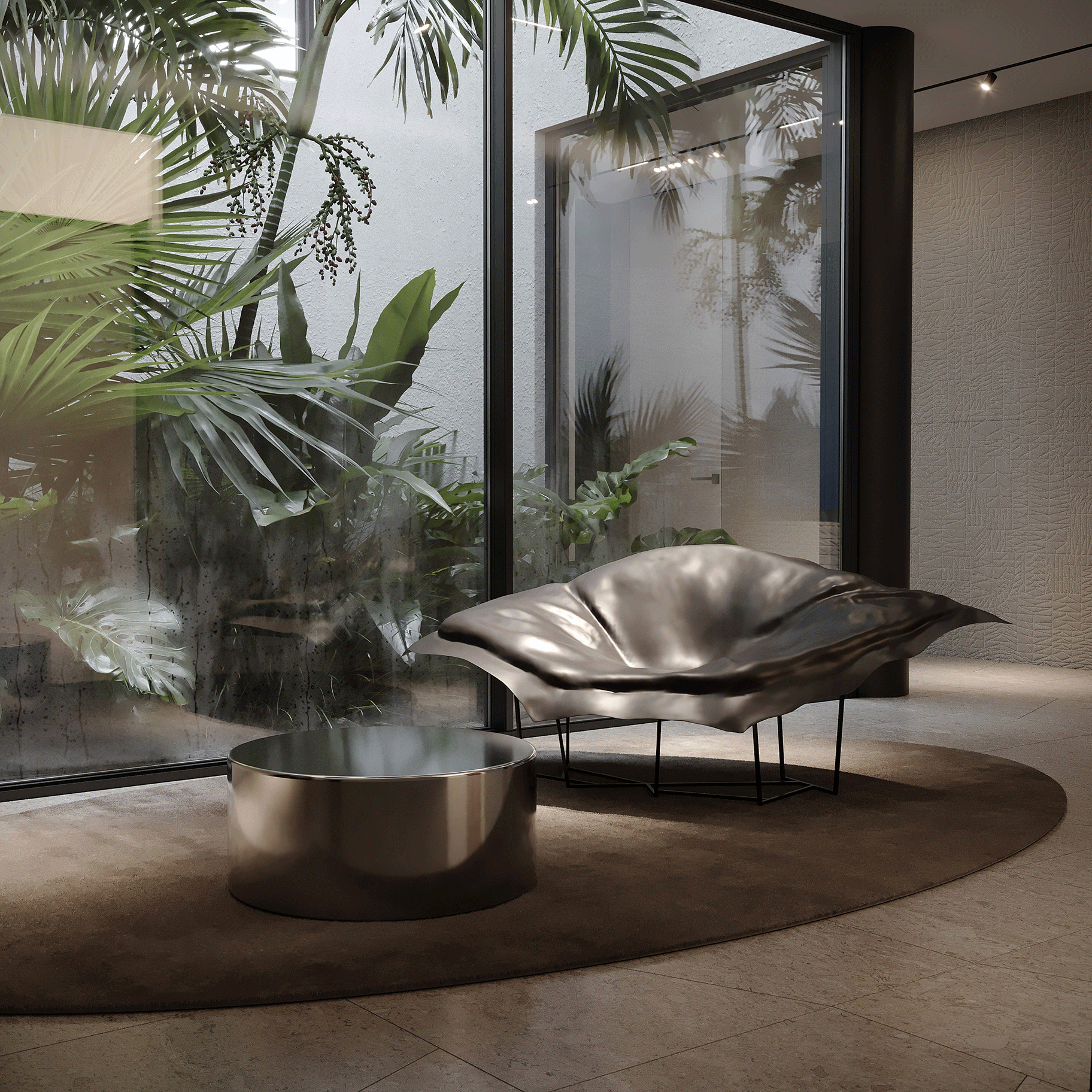
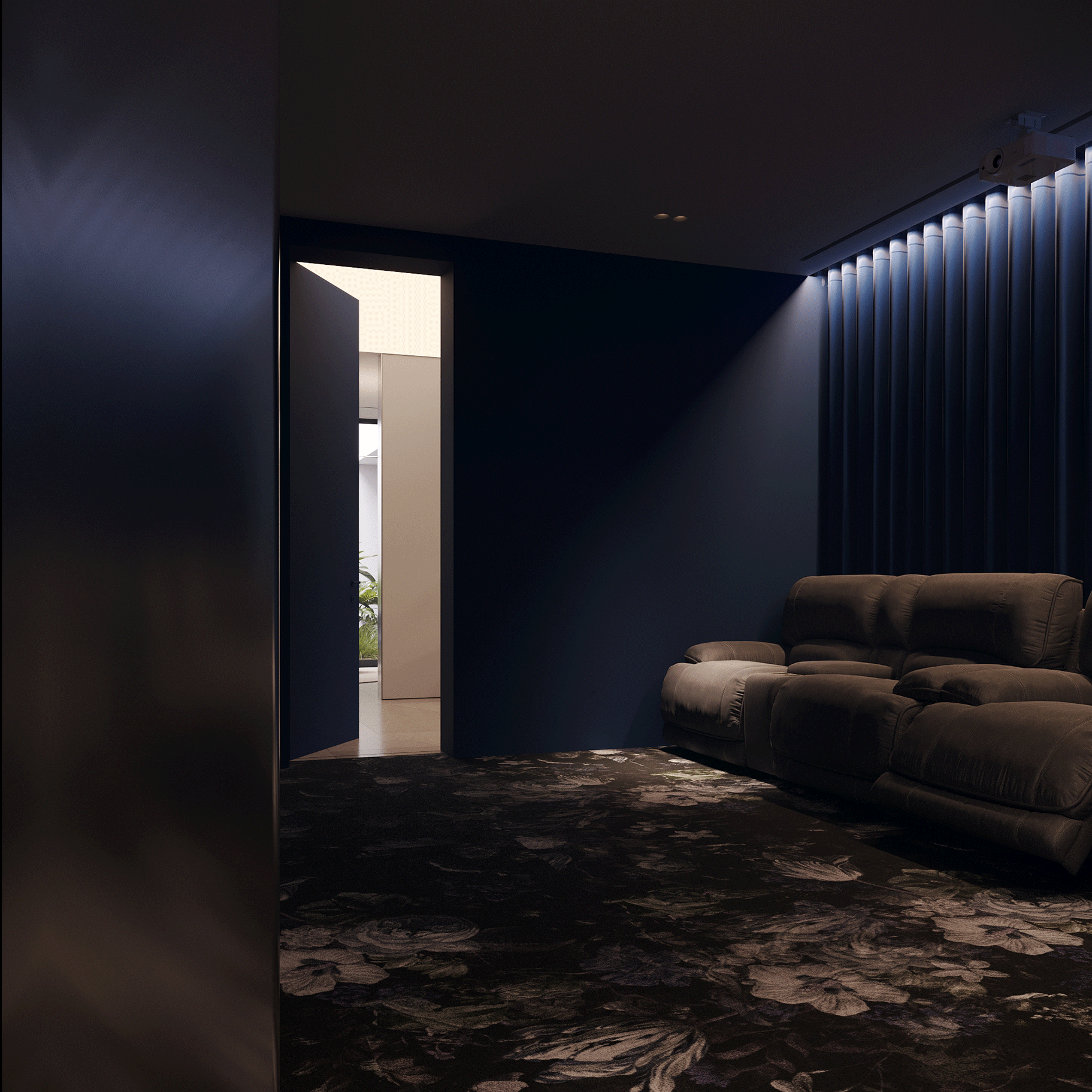
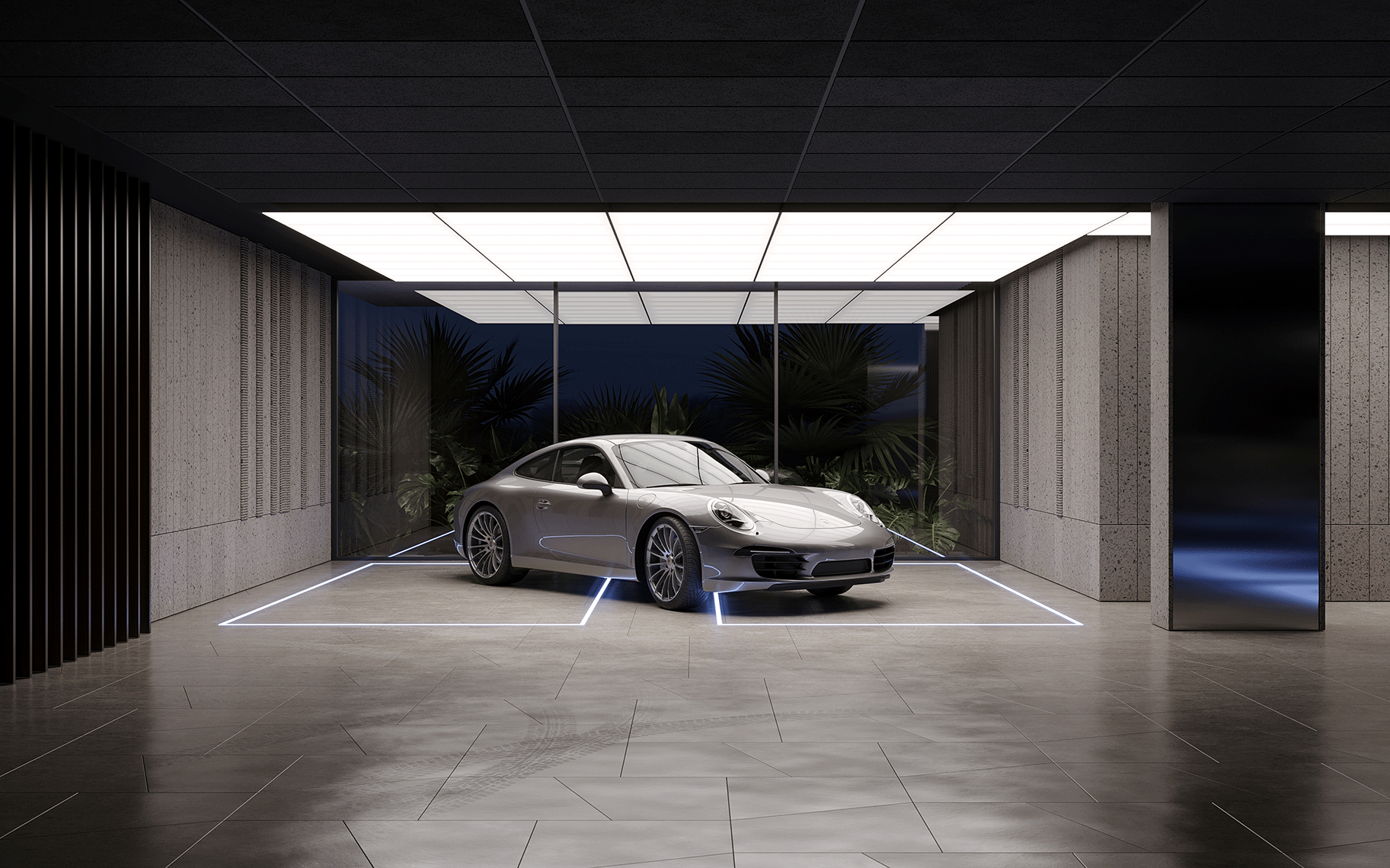
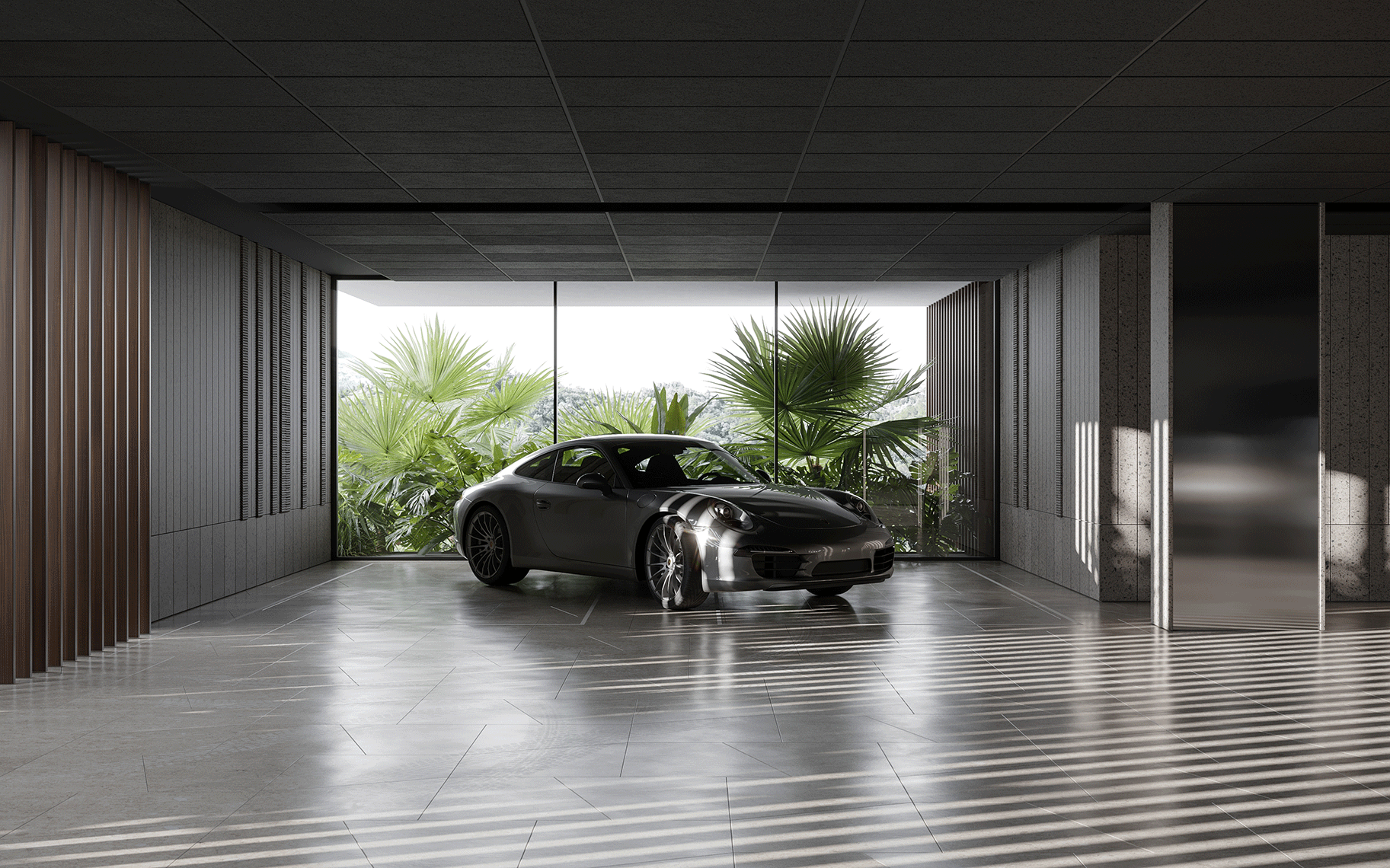
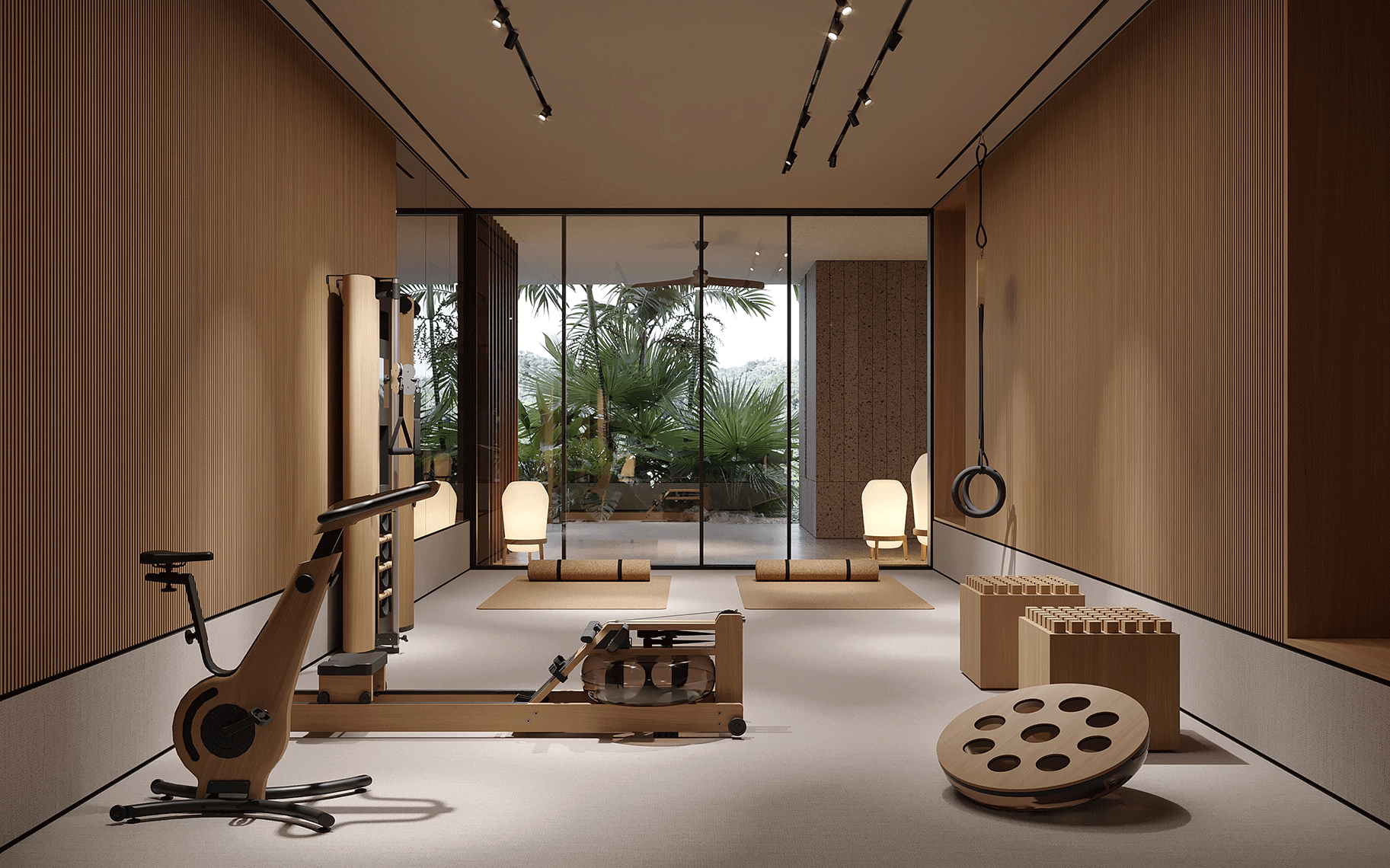
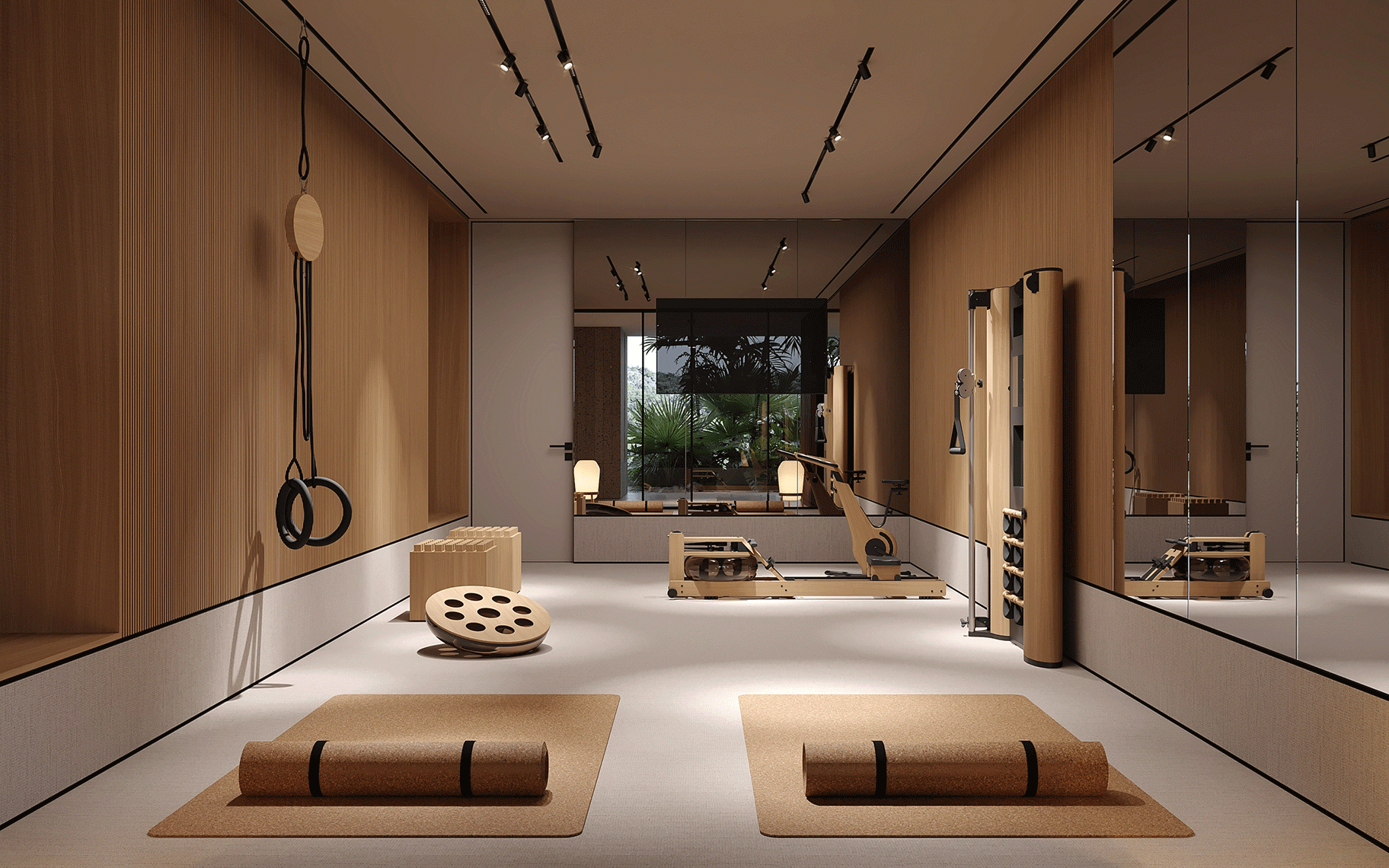
The basement level occupies the largest area and is more than half embedded into the terrain. The solid (windowless) section accommodates technical rooms for engineering systems and storage, as well as a separate unit for staff living and working, with its own entrance. This floor houses the entertainment facilities: a cinema, a gym with an inner courtyard for yoga, and a wine room that also serves as a bomb shelter. A large garage for five cars includes a showcase area for two collector vehicles with a sea view. From the garage, one enters a hall with a winter garden, which leads further to the gym, cinema, or laundry room. Vertical circulation between floors is provided by a staircase and an elevator.









The architecture of the house is grounded in the use of local materials. The façades feature locally sourced stone that resonates with the natural mountain surroundings and is also used in the interior spaces to create a monolithic, sculptural appearance. The upper floor is finished in white plaster, reflecting traditional local architecture, while wood is incorporated to soften the overall image — in the garage gates, fence elements, and the structures of the inner courtyards. Along the building’s central axis, a large panoramic window is positioned to frame a view of the pool basin and an accent sculpture.