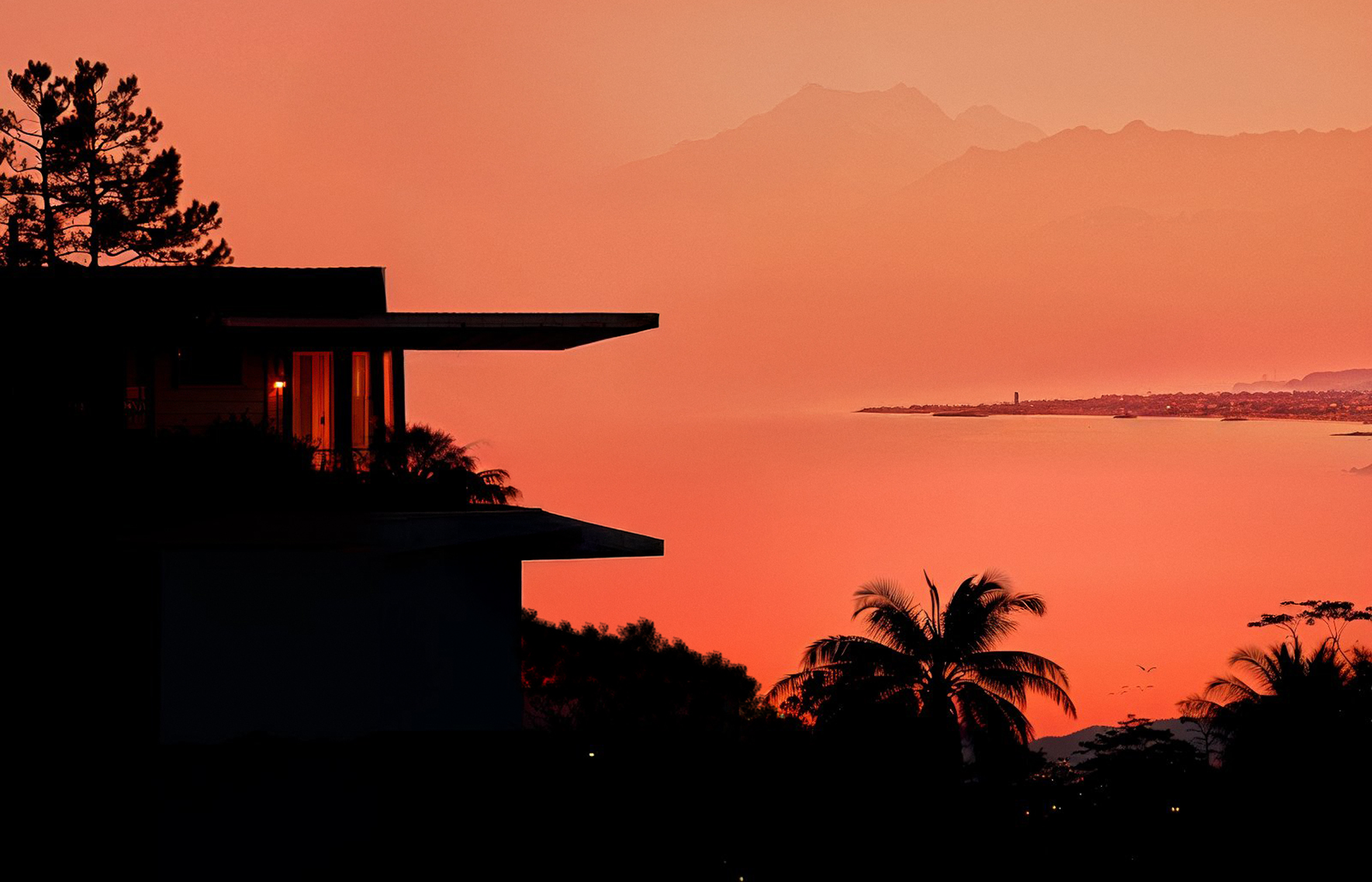
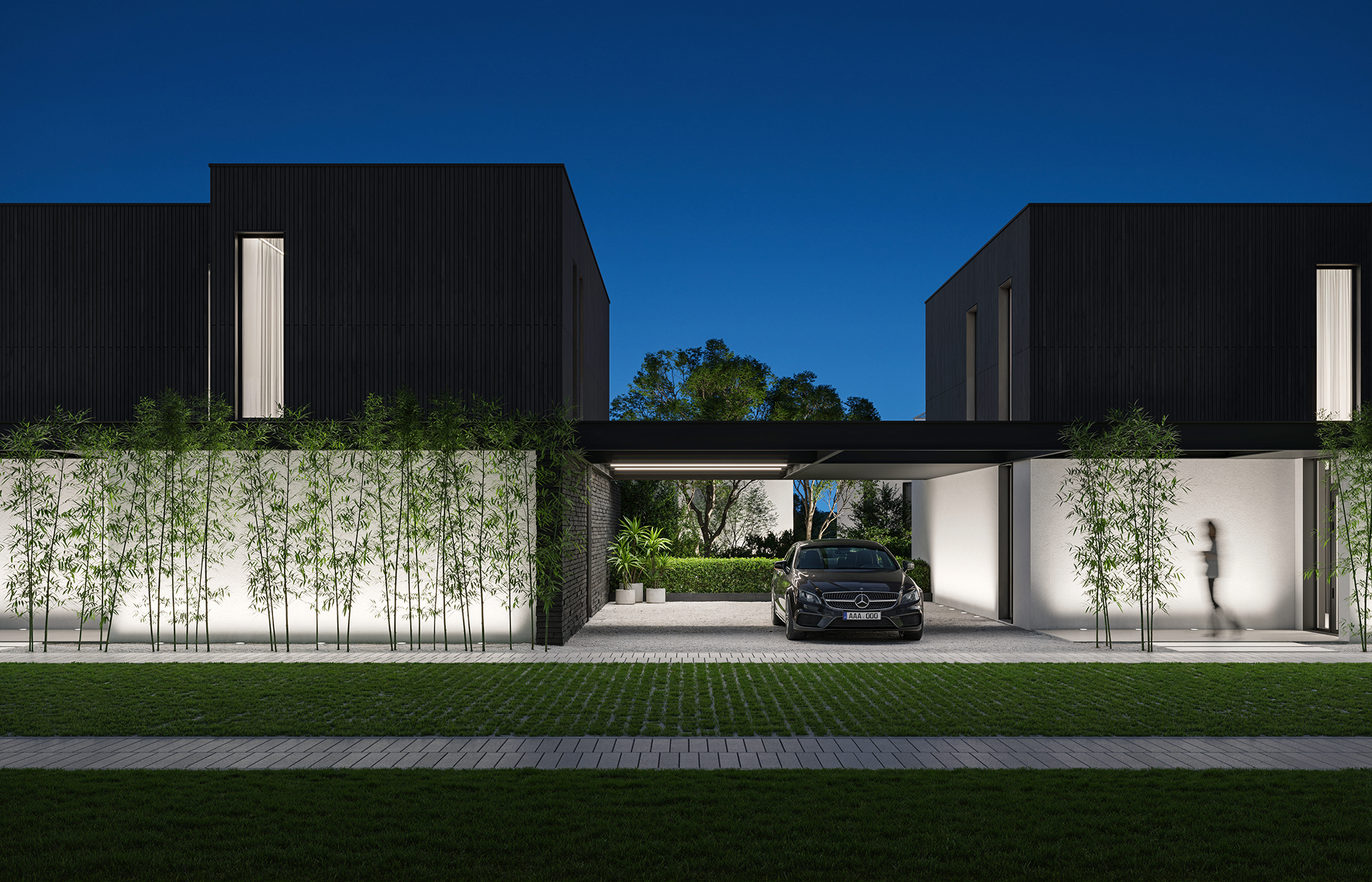
The architecture is defined by clean geometry, natural materials, and clear zoning that balances the openness of shared spaces with the privacy of the living quarters. The courtyard, terraces, and pool area have become key elements of a new living scenario oriented toward comfort and everyday rhythm.
The property is located in the city of Caesarea, within a prestigious coastal area offering an open view of the sea. The plot borders a pine forest, which creates a natural green environment and provides a sense of seclusion and tranquility.
The house was constructed in the 2000s and designed in a Middle Eastern style typical of that period. The architecture featured massive forms, arched elements, and a symmetrical composition; however, the planning and spatial solutions did not meet contemporary standards of comfort or the desired connection with the surrounding environment.

The plot has a favorable orientation and sufficient area, allowing for the development of open spaces, gardens, and leisure areas. The street on which the house is located is predominantly characterized by contemporary residential development. This creates a coherent architectural context while also offering an opportunity to update the building’s image.
The existing condition of the property served as a basis for rethinking the architecture with a focus on openness, natural light, interaction with the landscape and views, and adaptation of the house to a contemporary lifestyle.

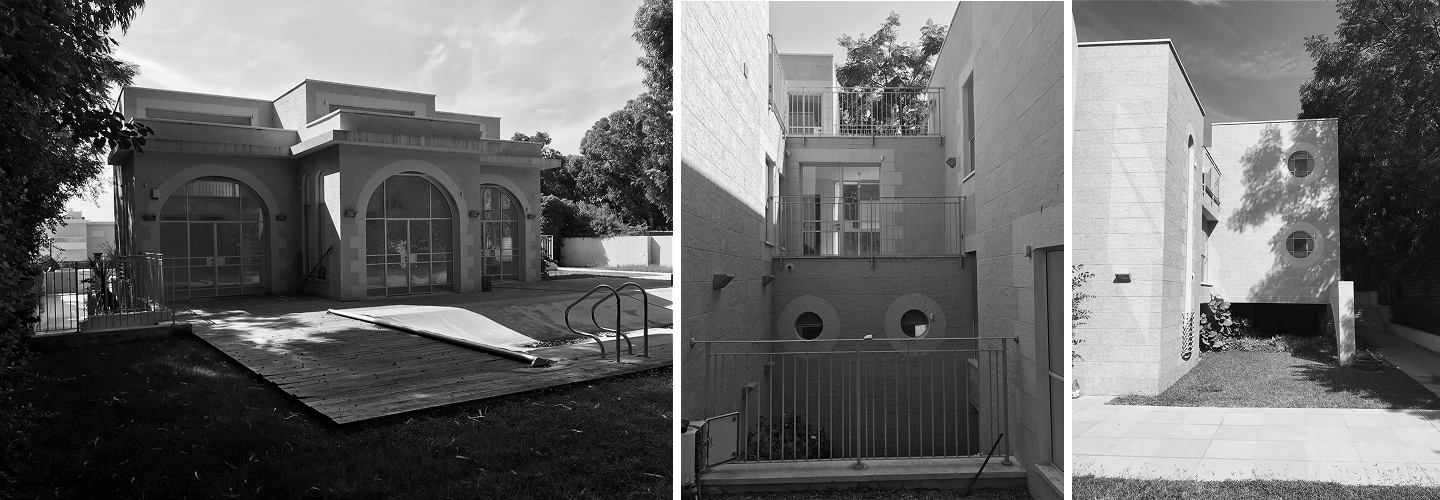
The reconstruction of the house began with a complete rethinking of the spatial layout and the external appearance. The primary goal was to create a contemporary open environment that interacts closely with the site, the landscape, and natural light.

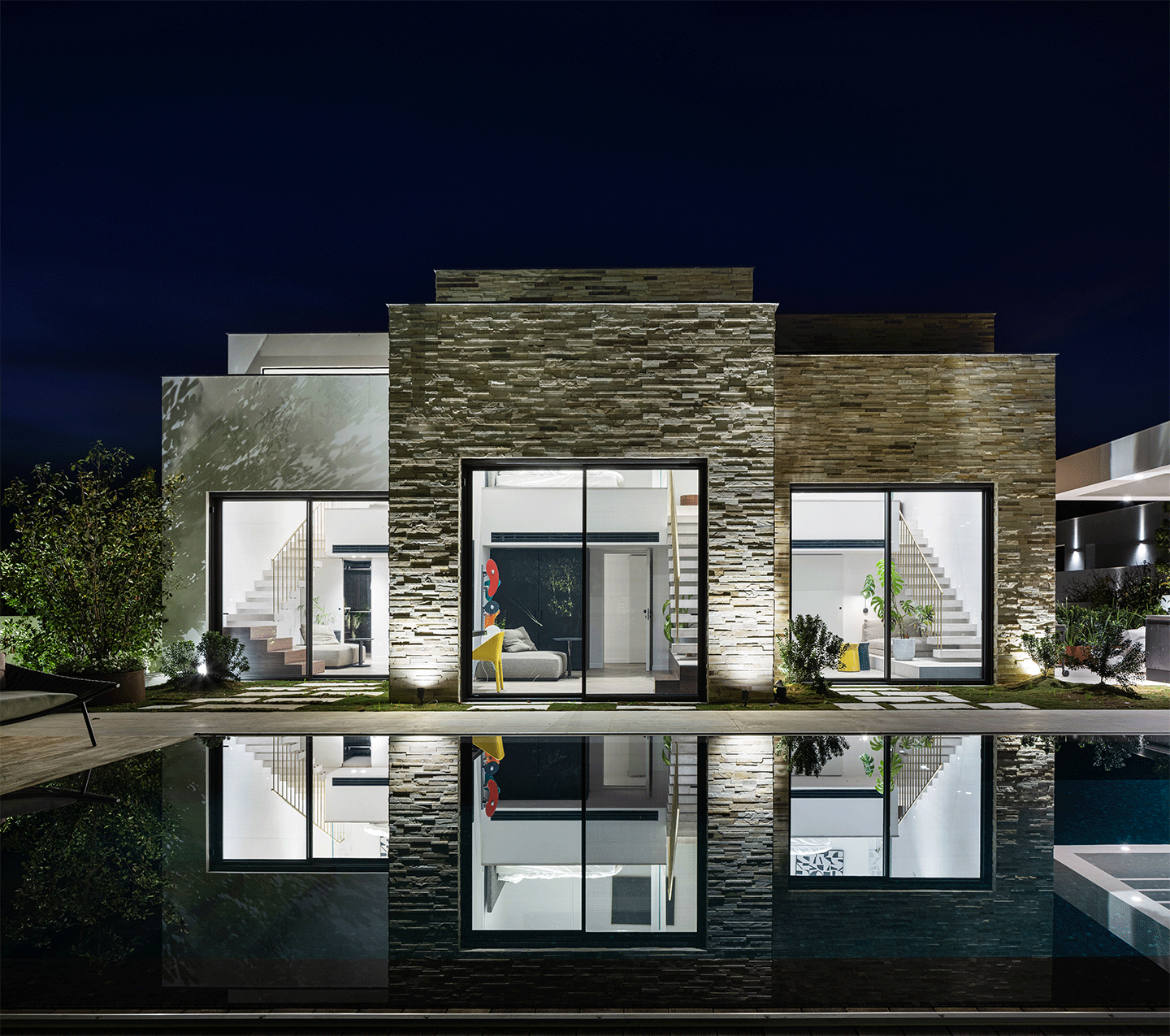
The facade architecture underwent significant changes. The massive and introverted character of the original building was transformed into a restrained contemporary composition with clearly defined geometric volumes. White surfaces, horizontal slabs, and deep shadows create a calm and balanced silhouette that integrates harmoniously into the contemporary residential context of the street.

The reconstruction of the house began with a complete rethinking of the spatial layout and the external appearance. The primary goal was to create a contemporary open environment that interacts closely with the site, the landscape, and natural light.
The facade materials were selected to emphasize the simplicity of the forms while adding texture. Greenery is integrated into the architecture and becomes an integral part of it. Planting softens the geometry and strengthens the connection between the house and the adjacent pine forest.


The reconstruction of the house began with a complete rethinking of the spatial layout and the external appearance. The primary goal was to create a contemporary open environment that interacts closely with the site, the landscape, and natural light.
Special attention was given to the entrance and the building’s interaction with the street. The architecture reveals itself gradually — through a passageway, an inner courtyard, and landscaped areas — creating a sense of privacy from the very first steps. Canopies, galleries, and semi-open spaces establish a smooth transition between the exterior and interior environments.


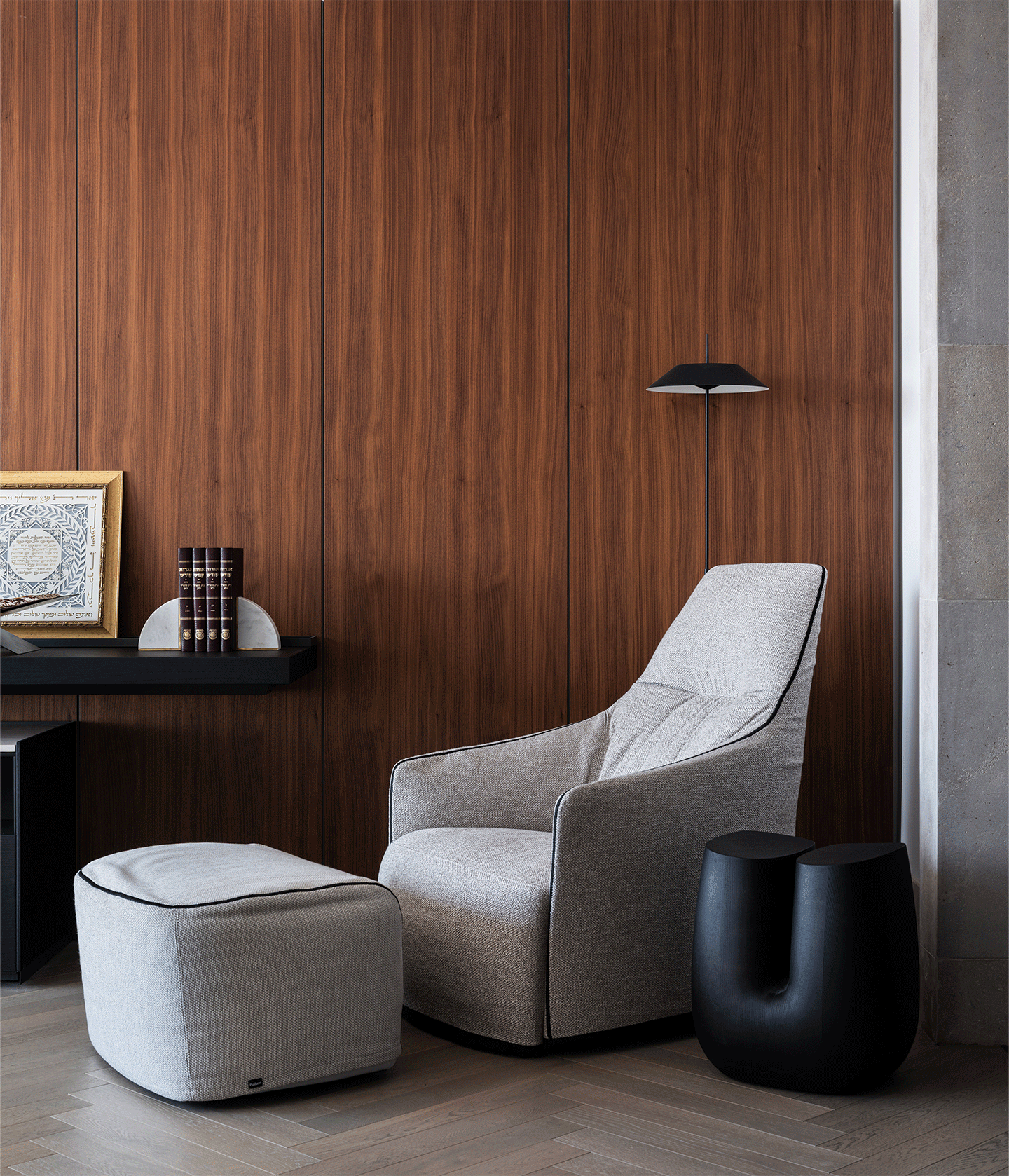
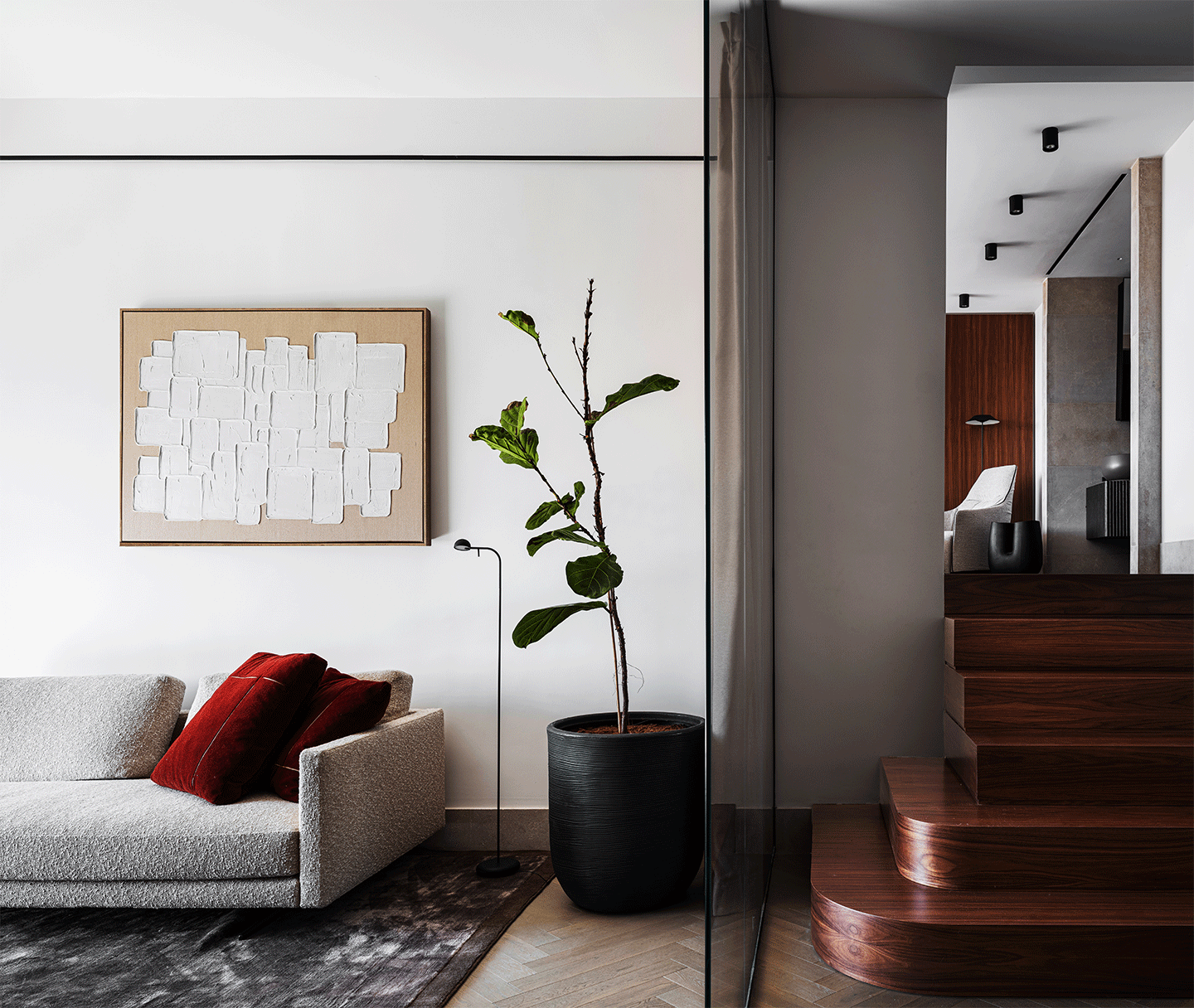
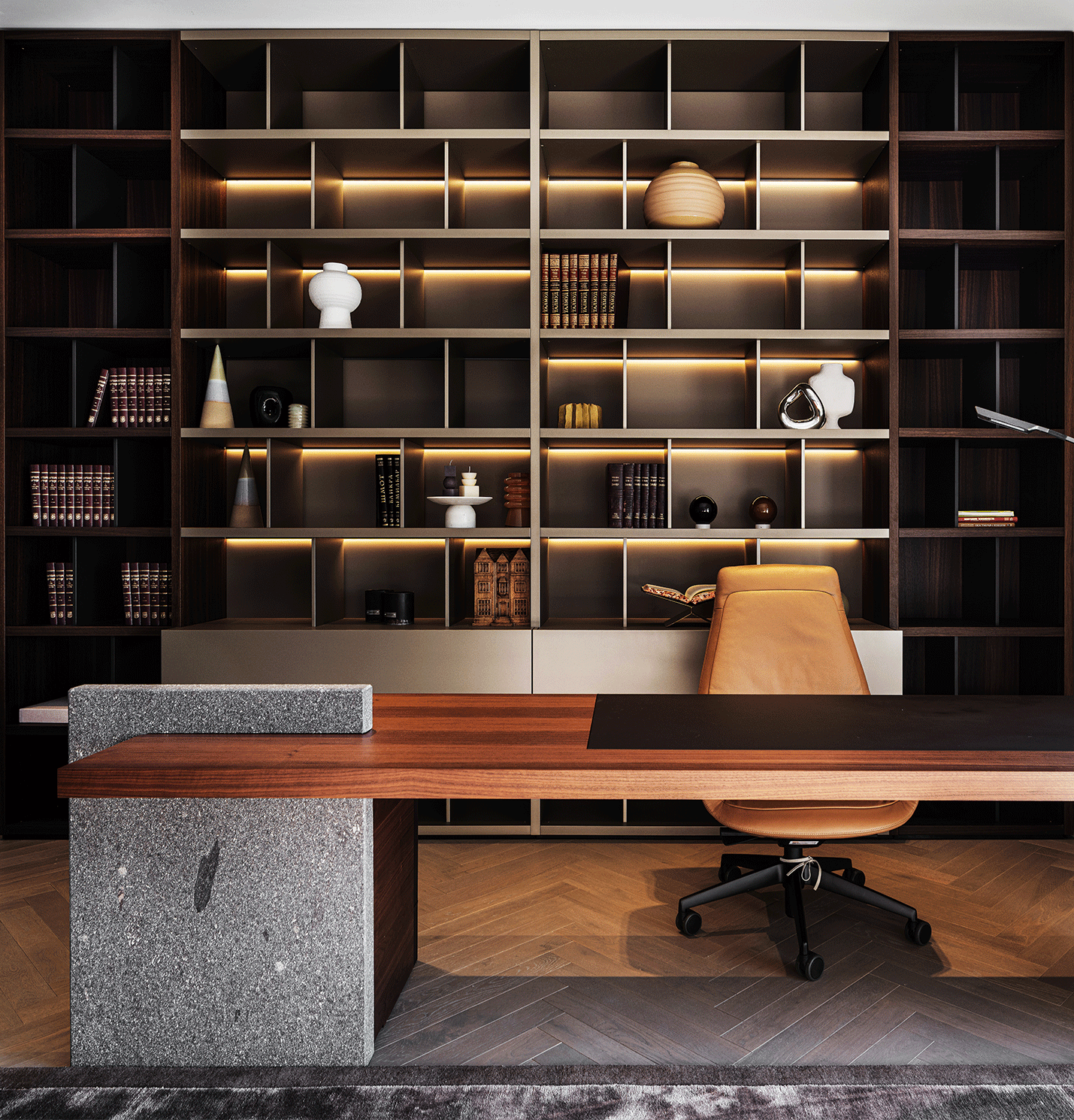
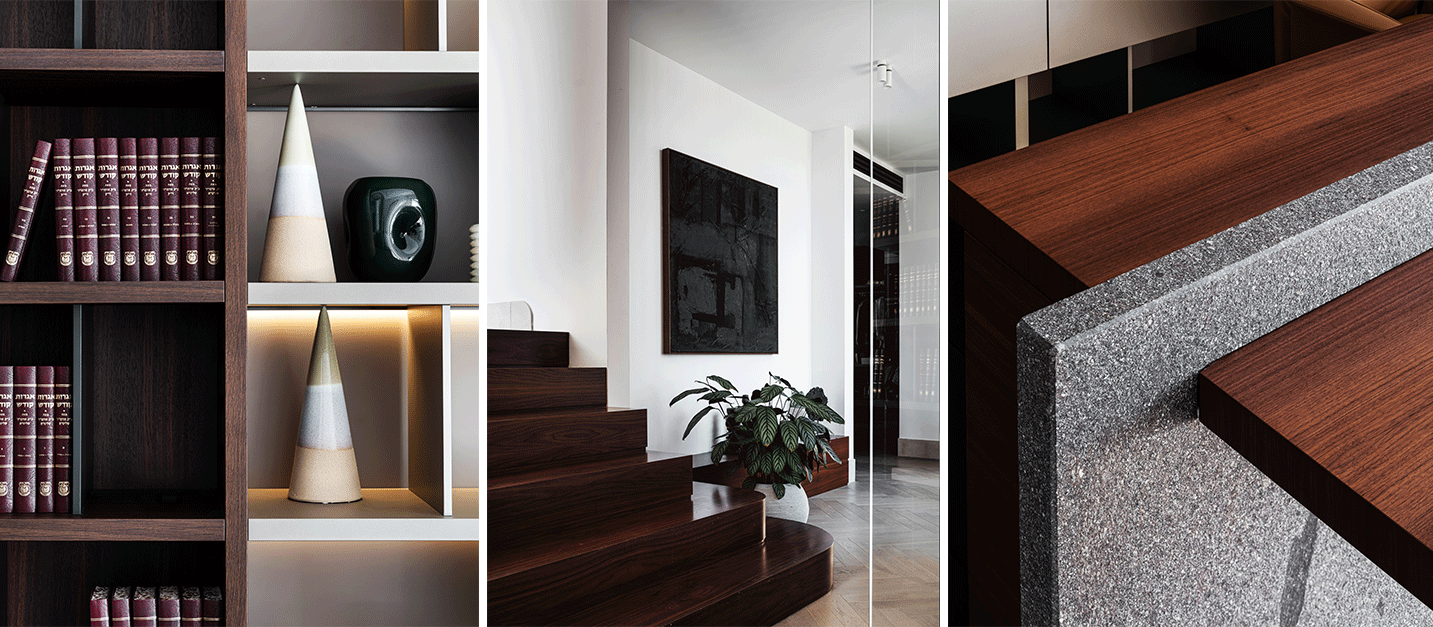
The layout is organized around a clear logic of movement and zoning. The public spaces on the ground level, including the living room, kitchen, and leisure area, are combined into a single open space with direct access to the garden. Private rooms are located on the upper levels, which helps maintain quietness and privacy without compromising the overall integrity of the house. Vertical connections between the levels are designed so that the space is perceived as light and continuous.


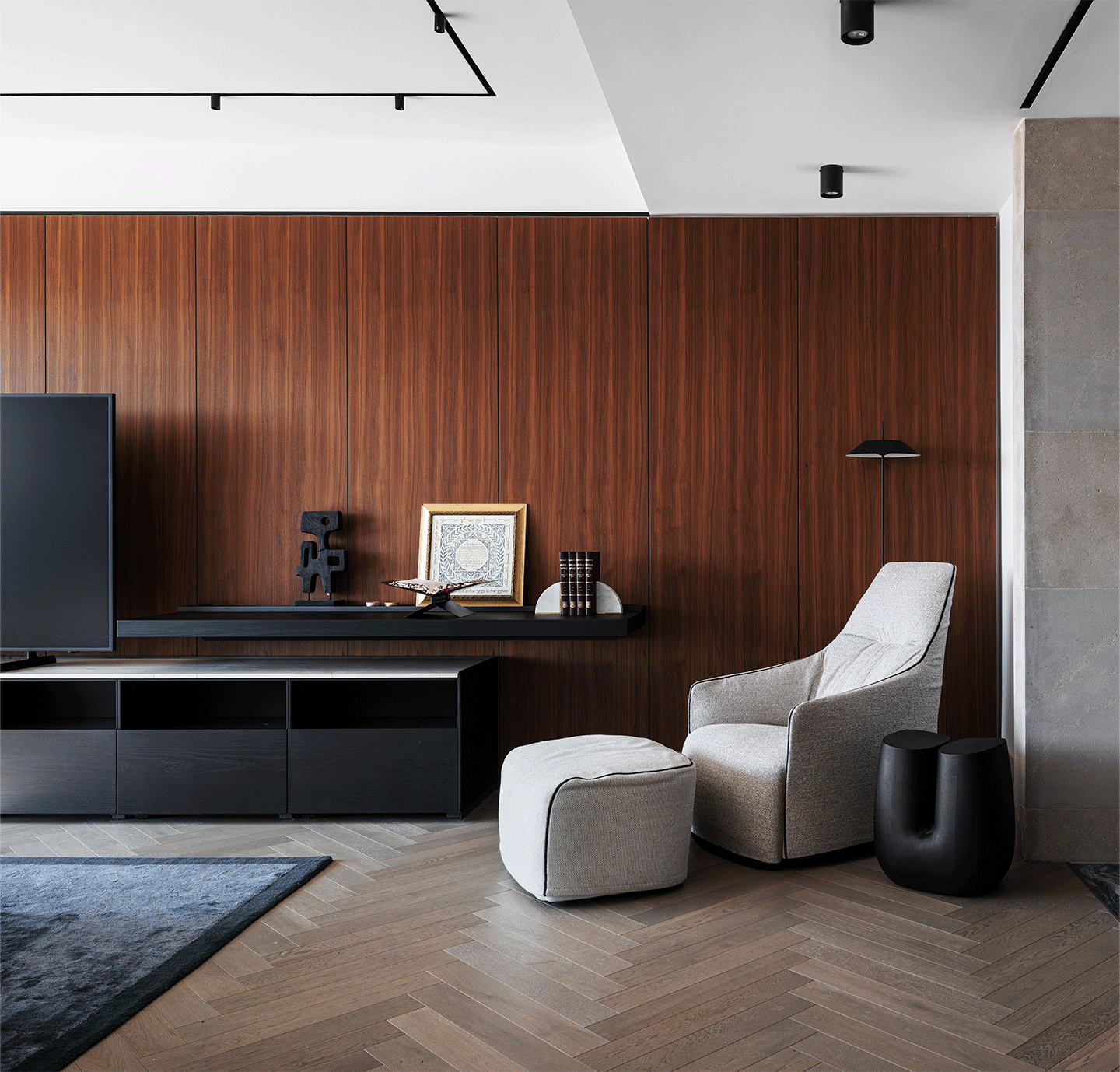


The layout is organized around a clear logic of movement and zoning. The public spaces on the ground level, including the living room, kitchen, and leisure area, are combined into a single open space with direct access to the garden. Private rooms are located on the upper levels, which helps maintain quietness and privacy without compromising the overall integrity of the house. Vertical connections between the levels are designed so that the space is perceived as light and continuous.
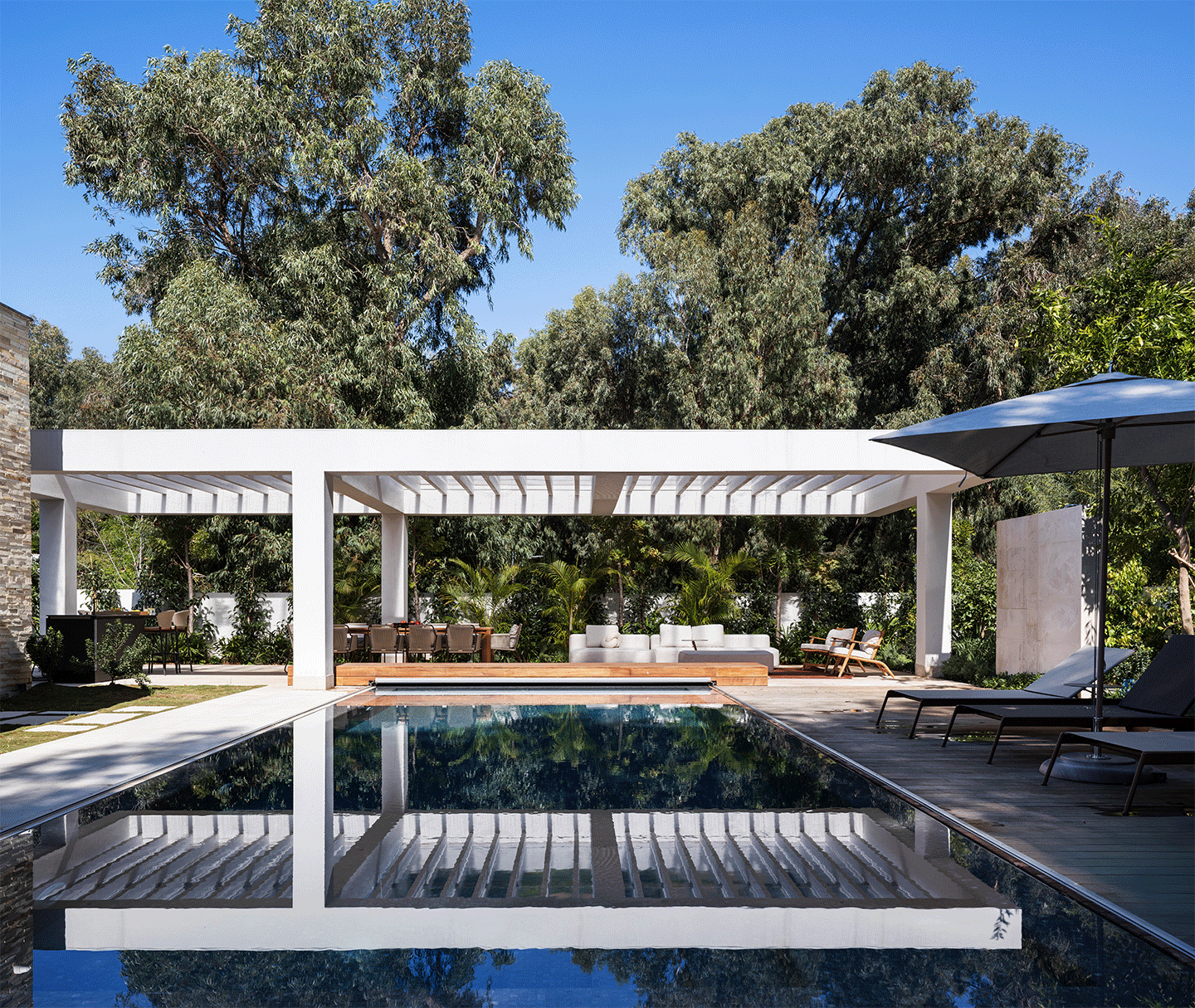
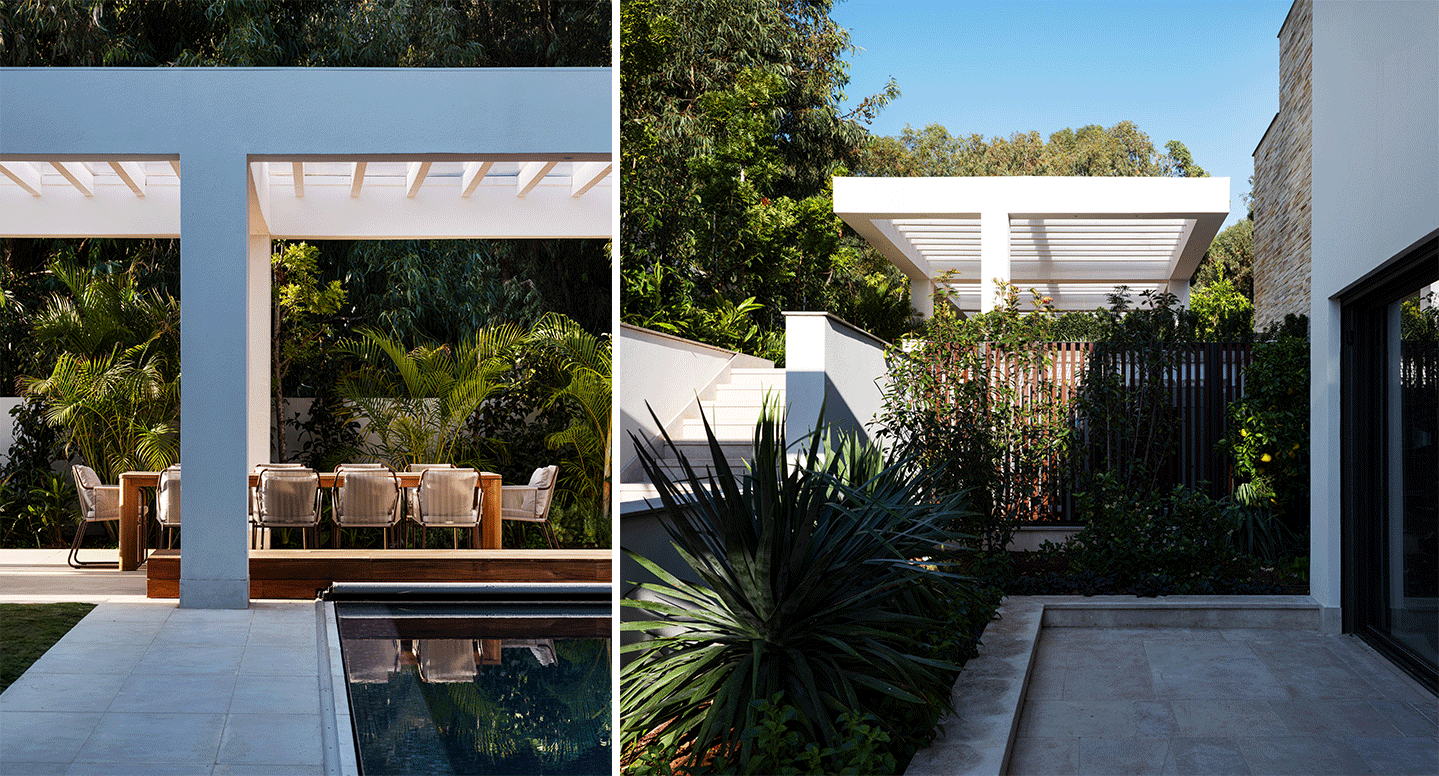
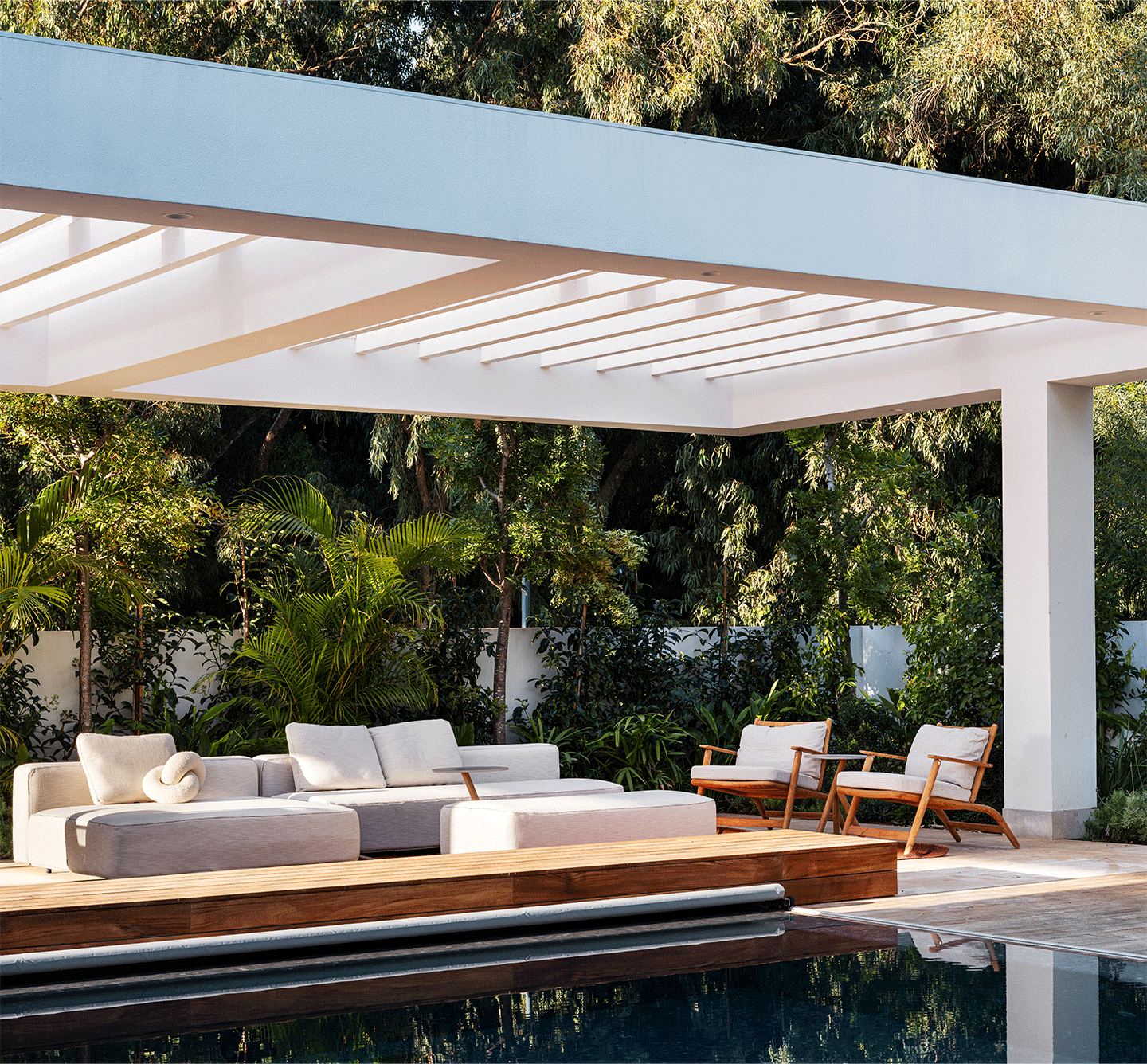
The backyard is designed as an extension of the living space and as a key area for outdoor leisure. Its composition is organized around a swimming pool and a large covered terrace, creating a sheltered and intimate environment that is separated from the street and fully integrated into the natural surroundings.
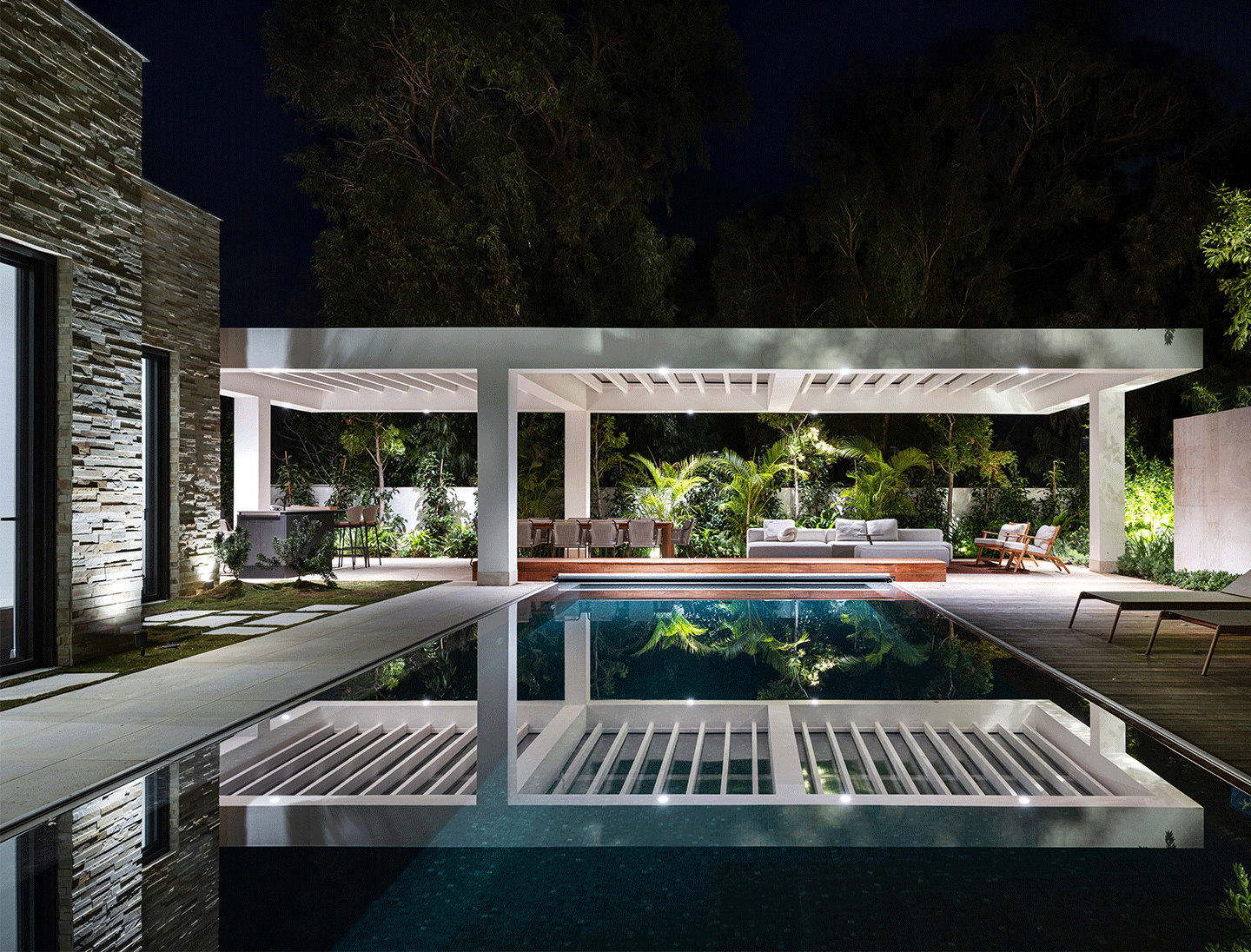
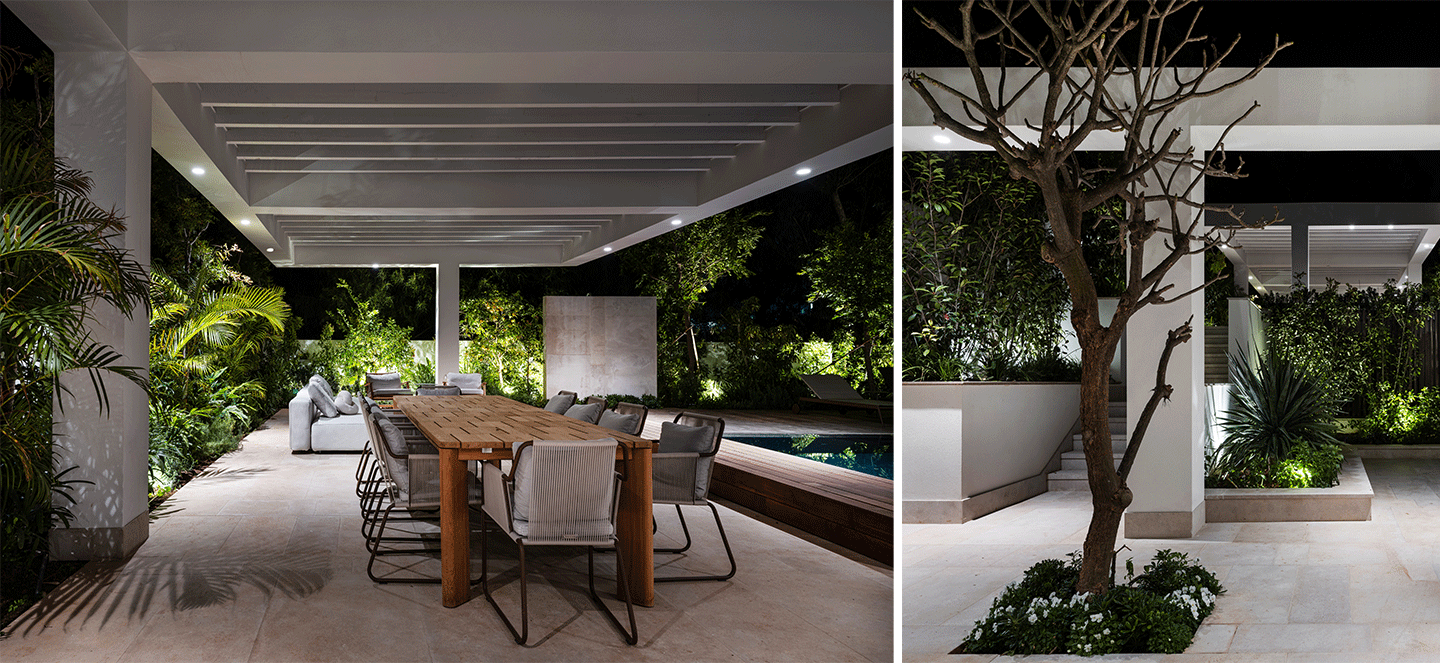
The central element of the space is a pergola with clear geometric form, which provides partial shade while allowing natural light to pass through. It brings together the dining area, the lounge space, and the pool into a single composition, allowing the courtyard to be used throughout the day. The open structure of the canopy maintains a visual connection with the sky and the pine tree canopies, preserving a sense of openness and lightness.
The reconstruction of the house began with a complete rethinking of the spatial layout and the external appearance. The primary goal was to create a contemporary open environment that interacts closely with the site, the landscape, and natural light.
The swimming pool is positioned along the main axis of the house and functions as a visual focal point that reflects the architecture and enhances the sense of depth of the site. Wooden decking and natural materials soften the strict architectural lines and add warmth to the space. Lounge areas are arranged to provide comfort for both active recreation and quiet retreat.
The reconstruction of the house began with a complete rethinking of the spatial layout and the external appearance. The primary goal was to create a contemporary open environment that interacts closely with the site, the landscape, and natural light.
Landscaping plays a key role in shaping the atmosphere of the courtyard. Dense planting along the perimeter provides privacy while maintaining a connection with the surrounding forest environment. The vegetation is integrated into the architecture and functions as a soft backdrop for the outdoor spaces.
In the evening, the backyard takes on a different character through carefully designed lighting. Soft illumination highlights the structure of the pergola, the texture of the stone, and the surface of the pool water, creating a calm and intimate atmosphere for relaxation and social gatherings.
The reconstruction of the house began with a complete rethinking of the spatial layout and the external appearance. The primary goal was to create a contemporary open environment that interacts closely with the site, the landscape, and natural light.
In the evening, the backyard takes on a different character through carefully designed lighting. Soft illumination highlights the structure of the pergola, the texture of the stone, and the surface of the pool water, creating a calm and intimate atmosphere for relaxation and social gatherings.
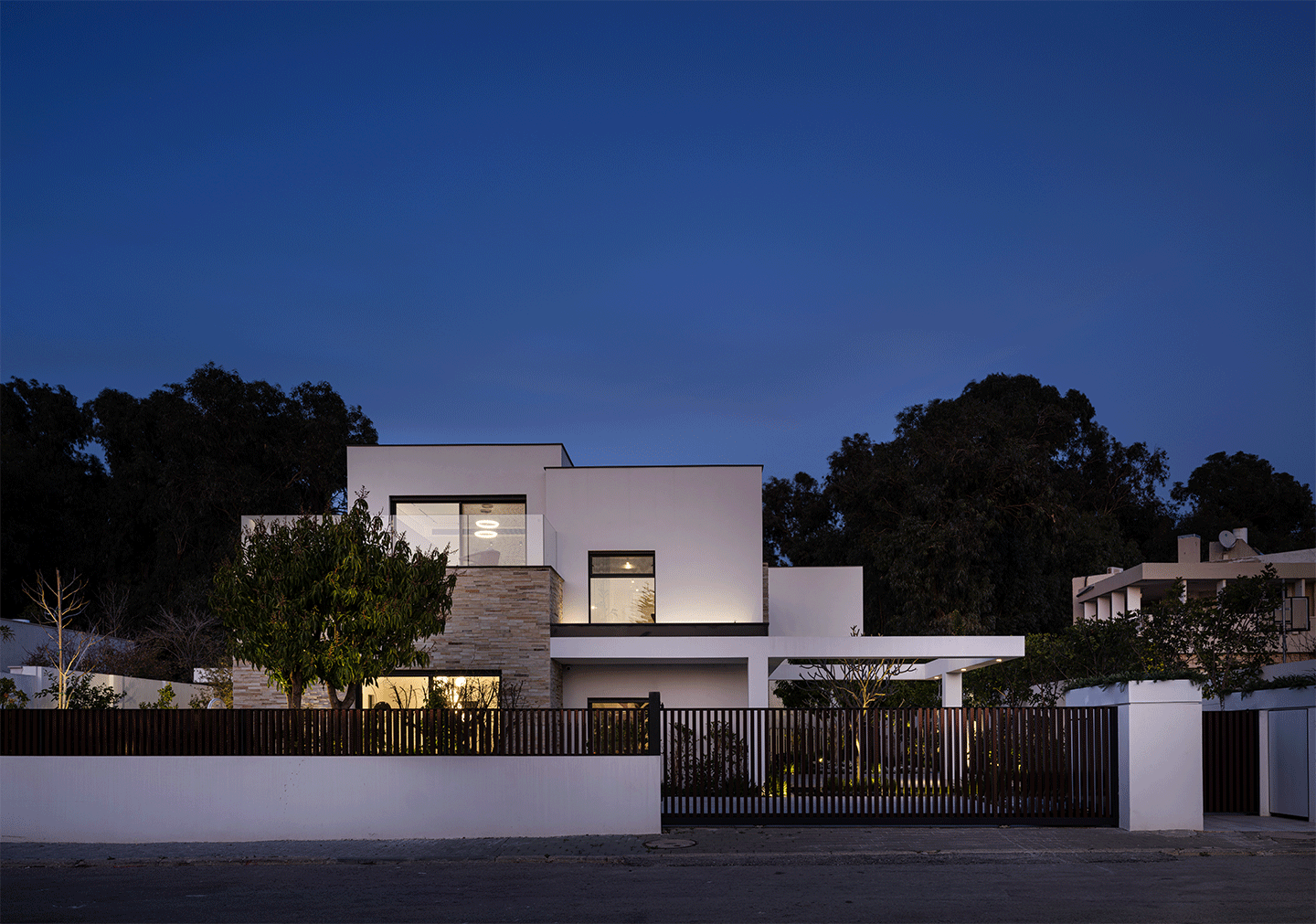

The reconstruction of the house began with a complete rethinking of the spatial layout and the external appearance. The primary goal was to create a contemporary open environment that interacts closely with the site, the landscape, and natural light.